
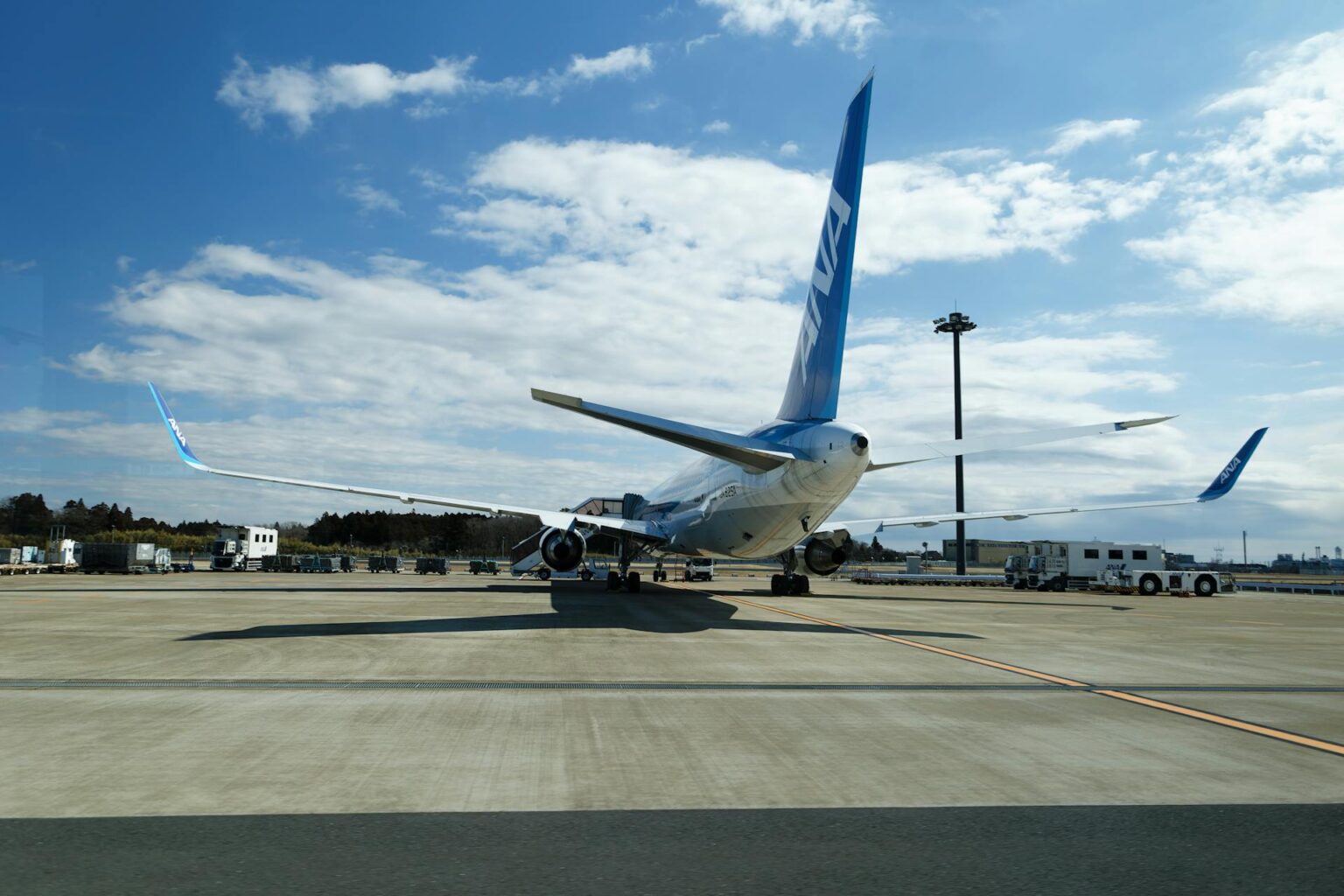
The aviation sector stands at the precipice of a profound transformation, driven by an unrelenting demand for greater efficiency, enhanced safety, and a significantly reduced environmental footprint. As we cast our gaze towards 2026, the concept of ‘Smart Runways’ is no longer a futuristic fantasy but a tangible vision, fundamentally reshaping how airports operate. At the heart of this evolution lies the innovation in airport handling equipment – the unsung heroes of airside operations that ensure the seamless flow of aircraft, passengers, and cargo.
For decades, ground operations have relied on a mix of robust, often diesel-powered, machinery. While these traditional workhorses have served their purpose admirably, the increasing complexity of air traffic, coupled with stringent environmental regulations and the persistent pressure to optimise turnaround times, necessitates a radical rethink. The future demands equipment that is not only more efficient and cleaner but also intelligent, interconnected, and capable of operating with minimal human intervention.
This article delves into the cutting-edge innovations poised to redefine airport handling equipment by 2026. We will explore the emergence of autonomous airport ground support equipment, the imperative for sustainable airport handling solutions 2026, and the overarching impact of advanced data analytics and connectivity on the future of airport logistics technology. From self-driving baggage tractors to AI-powered predictive maintenance systems, the airside environment is on the cusp of becoming a highly sophisticated, integrated ecosystem, promising a new era of operational excellence and environmental stewardship.
The Current State of Airport Handling Equipment and Its Challenges
Before we delve into the innovations, it is essential to understand the foundation upon which these advancements are built and the challenges they aim to address. Airport handling equipment encompasses a vast array of machinery critical for ground operations, including pushback tugs, baggage belt loaders, cargo loaders, passenger stairs, ground power units (GPUs), air start units (ASUs), and various utility vehicles. These pieces of equipment are the backbone of airside activity, directly influencing aircraft turnaround times, passenger experience, and cargo efficiency.
Historically, this equipment has been predominantly human-operated and powered by internal combustion engines, primarily diesel. While reliable, this traditional approach presents several significant challenges:
Operational Inefficiencies and Bottlenecks
- Manual Processes: Many tasks, such as baggage loading and aircraft pushback, still rely heavily on manual coordination and human decision-making. This can introduce variability, increase the risk of delays, and limit the speed at which operations can be executed.
- Resource Allocation: Optimising the deployment of equipment and personnel across a busy airside environment is a complex logistical puzzle. Inefficient allocation can lead to equipment idling, personnel waiting, or, conversely, critical delays due to equipment shortages.
- Turnaround Time Pressures: Airlines operate on tight schedules, and every minute an aircraft spends on the ground is a minute it is not generating revenue. Delays in ground handling can have a cascading effect across an airline’s network, leading to significant financial penalties and passenger dissatisfaction.
Environmental Impact and Regulatory Pressures
- Emissions: Diesel-powered ground support equipment (GSE) is a significant contributor to air pollution at airports, emitting greenhouse gases (GHGs) and particulate matter. With increasing global focus on climate change and stricter environmental regulations, airports are under immense pressure to reduce their carbon footprint.
- Noise Pollution: The constant hum and roar of traditional GSE contribute to noise pollution, affecting airport communities and the working environment for airside personnel.
Safety Concerns and Human Factors
- Airside Complexity: The airside is a dynamic and potentially hazardous environment with numerous moving vehicles, aircraft, and personnel. The risk of accidents, collisions, and incidents of foreign object debris (FOD) is ever-present.
- Human Error: Despite extensive training, human error remains a factor in airside incidents, whether due to fatigue, miscommunication, or misjudgement.
Maintenance and Operating Costs
- Fuel Consumption: The reliance on fossil fuels translates to substantial operational costs, subject to volatile fuel prices.
- Maintenance Regimes: Traditional equipment requires regular, often intensive, maintenance, leading to downtime and further costs.
These challenges collectively underscore the urgent need for innovation in airport handling equipment. The industry is actively seeking solutions that can mitigate these issues, paving the way for a more efficient, safer, and environmentally responsible future.
The Rise of Autonomous Airport Ground Support Equipment (GSE)
The concept of autonomy is rapidly moving from science fiction to operational reality within the airport environment. Autonomous airport ground support equipment represents one of the most transformative innovations set to redefine airside operations by 2026. This technology promises to address many of the challenges associated with traditional, human-operated equipment, offering a pathway to unprecedented levels of efficiency, safety, and predictability.
Defining Autonomous GSE
Autonomous GSE refers to vehicles and machinery capable of performing tasks with varying degrees of independence from human control. This spectrum ranges from assisted operations, where technology aids human operators, to fully autonomous systems that can execute complex tasks without direct human intervention, relying on sophisticated sensors, artificial intelligence, and real-time data processing.
Key Examples and Applications
- Autonomous Baggage Tractors (ATRs) and Dollies: Imagine baggage being automatically loaded onto dollies and then transported across the apron to the correct aircraft, navigating complex routes and avoiding obstacles without a driver. Several trials are already underway globally, demonstrating the viability of these systems to streamline baggage handling, reduce human error, and operate continuously.
- Self-Driving Pushback Tugs: These vehicles can autonomously connect to an aircraft’s nose gear, push it back from the gate, and then return to a designated parking or charging area. This not only frees up personnel for other critical tasks but also ensures precise and consistent pushback procedures, reducing the risk of ground damage.
- Automated Cargo Loaders: For air cargo operations, autonomous loaders can significantly speed up the process of transferring unit load devices (ULDs) between cargo aircraft and freight terminals. Integrated with warehouse management systems, these loaders can identify, retrieve, and position cargo with remarkable accuracy and speed. For a deeper understanding of how such equipment is transforming the sector, consider reading about Revolutionizing Aviation Aircraft Material Handling Equipment.
- Robotic Inspection Vehicles: Small, agile robots equipped with cameras and sensors can perform routine inspections of runways, taxiways, and aircraft surfaces, detecting foreign object debris (FOD) or potential damage far more consistently and rapidly than human patrols.
Benefits of Autonomous GSE
- Enhanced Safety: By removing human operators from potentially hazardous situations and utilising precise navigation and obstacle avoidance systems, autonomous GSE can significantly reduce the incidence of airside accidents and collisions.
- Increased Efficiency and Predictability: Autonomous systems can operate 24/7 without fatigue, follow optimised routes, and execute tasks with consistent speed and accuracy, leading to faster turnaround times and improved operational predictability.
- Optimised Resource Allocation: With autonomous equipment handling routine tasks, human personnel can be redeployed to more complex, supervisory, or customer-facing roles, addressing labour shortages and improving overall workforce productivity.
- Reduced Operational Costs: While initial investment can be substantial, the long-term benefits include reduced labour costs, lower fuel consumption (especially when combined with electric propulsion), and decreased damage to equipment or aircraft due to human error.
Challenges and Future Outlook
Despite the compelling advantages, the widespread adoption of autonomous GSE faces hurdles. Regulatory frameworks need to evolve to accommodate these new technologies, ensuring safety standards are met. Integration with existing airport infrastructure and legacy systems requires careful planning and investment. Cybersecurity is paramount to protect these interconnected systems from malicious attacks. Furthermore, public and workforce acceptance will be a critical factor in their successful deployment.
By 2026, we anticipate a significant increase in the deployment of semi-autonomous and fully autonomous GSE in controlled environments, particularly for repetitive tasks. This shift will fundamentally alter the operational landscape, making airports more resilient, efficient, and safer.
Advancements in Sustainable Airport Handling Solutions 2026
The drive towards environmental responsibility is no longer an option but a core imperative for the aviation industry. By 2026, sustainable airport handling solutions will be at the forefront of airport development, significantly reducing the carbon footprint and noise pollution associated with ground operations. This commitment to sustainability is reshaping the design, power sources, and operational strategies of airport handling equipment.
Electrification of Ground Support Equipment
The most prominent trend in sustainable GSE is the rapid transition from fossil fuels to electric power. Electric GSE (eGSE) offers zero tailpipe emissions, significantly lower noise levels, and reduced operational costs due to cheaper ‘fuel’ and simpler maintenance requirements.
- Battery Technology Improvements: Advances in lithium-ion battery technology are making eGSE more viable than ever. By 2026, we expect to see batteries with higher energy density, allowing for longer operating ranges and shorter charging times. Innovations in battery cooling and management systems are also extending battery lifespan and improving safety.
- Smart Charging Infrastructure: The deployment of eGSE necessitates a robust and intelligent charging infrastructure. Smart charging systems can optimise charging schedules to take advantage of off-peak electricity rates, balance the load on the airport’s power grid, and even integrate with renewable energy sources like solar canopies over parking areas. This ensures that the environmental benefits of eGSE are maximised.
- Hybrid Solutions: For heavy-duty applications or where full electrification is not yet practical, hybrid electric-diesel GSE offers a transitional solution, combining the efficiency of electric motors with the range and power of internal combustion engines.
Hydrogen Fuel Cell GSE
Beyond batteries, hydrogen fuel cell technology is emerging as a promising alternative, particularly for larger, more power-intensive GSE. Hydrogen fuel cells produce electricity through an electrochemical reaction, with water as the only byproduct, offering zero emissions. While the infrastructure for hydrogen production, storage, and refuelling is still developing, by 2026, we anticipate pilot programmes and early adoption in specific airport environments, especially for equipment requiring extended operational periods or rapid refuelling.
Biofuels and Alternative Fuels
For existing diesel fleets that cannot be immediately replaced, the use of advanced biofuels or synthetic fuels offers a pathway to reduce emissions. These ‘drop-in’ fuels can be used in existing engines without modification, providing a more immediate, albeit transitional, solution to decarbonisation. For airports looking to make immediate changes to their existing fleets, exploring options like those discussed in Airside Fleets Unlocking Savings With Diesel Alternatives can be highly beneficial.
Optimised Operations for Sustainability
Sustainability extends beyond the power source of equipment to how it is operated. Advanced telematics and operational planning software can:
- Optimise Routing: Minimising travel distances for GSE across the apron reduces fuel consumption and wear and tear.
- Idle Reduction: Telemetry data can identify equipment idling excessively, prompting operational changes or automatic shutdown features.
- Predictive Maintenance: Ensuring equipment operates at peak efficiency and preventing breakdowns reduces energy waste and the need for emergency repairs, which often have a higher environmental impact.
Waste Reduction and Circular Economy Principles
Sustainable solutions also encompass the entire lifecycle of airport handling equipment. This includes designing equipment for durability, ease of repair, and eventual recycling. Airports are increasingly adopting circular economy principles, aiming to minimise waste and maximise resource utility throughout their operations.
By 2026, the integration of these sustainable practices and technologies will not only help airports meet their environmental targets but also contribute to a healthier working environment for ground staff and a more positive public perception of the aviation industry.
Data-Driven Operations and the Future of Airport Logistics Technology
The transformation of airport handling equipment is not solely about automation or greener power sources; it is profoundly intertwined with the intelligent application of data. By 2026, the future of airport logistics technology will be characterised by highly interconnected, data-rich environments where every piece of equipment, every movement, and every operational parameter is monitored, analysed, and optimised in real-time. This data-driven approach is the bedrock of ‘Smart Runways’.
The Internet of Things (IoT) in GSE
The proliferation of sensors embedded within airport handling equipment is creating an extensive Internet of Things (IoT) network across the airside. These sensors collect vast amounts of data on:
- Equipment Status: Fuel levels, battery charge, engine performance, tyre pressure, brake wear, and hydraulic fluid levels.
- Operational Metrics: Speed, location (GPS), distance travelled, idle time, operational hours, and specific task completion (e.g., baggage loaded, aircraft pushed back).
- Environmental Conditions: Temperature, humidity, and even air quality around the equipment.
This real-time data stream provides an unprecedented level of visibility into the health and performance of the entire GSE fleet.
Big Data Analytics and Predictive Maintenance
The sheer volume of data collected by IoT sensors would be overwhelming without sophisticated analytics. Big data platforms process this information to extract actionable insights, with predictive maintenance being one of the most immediate and impactful applications.
- Predictive Maintenance: Instead of scheduled maintenance or reactive repairs after a breakdown, predictive maintenance uses algorithms to forecast potential equipment failures based on performance anomalies. For example, a slight increase in engine vibration or a gradual drop in battery efficiency could trigger an alert, allowing maintenance teams to intervene before a critical failure occurs. This significantly reduces unexpected downtime, optimises maintenance schedules, and extends the lifespan of equipment.
- Operational Optimisation: Data analytics can identify bottlenecks in ground handling processes, suggest more efficient routes for vehicles, and optimise the allocation of equipment based on real-time flight schedules and gate assignments. This directly contributes to faster turnaround times and reduced operational costs.
- Safety Monitoring: By analysing equipment usage patterns, speed violations, or proximity alerts, airports can proactively identify potential safety risks and implement targeted training or operational adjustments to prevent incidents.
Artificial Intelligence (AI) and Machine Learning (ML)
AI and ML algorithms are taking data analysis a step further, enabling systems to learn from past data and make autonomous decisions or recommendations. In airport logistics, this translates to:
- Dynamic Resource Deployment: AI can dynamically adjust GSE deployment based on fluctuating flight schedules, weather conditions, and unexpected events, ensuring the right equipment is in the right place at the right time.
- Optimised Flight and Gate Assignments: ML models can predict optimal gate assignments and flight schedules to minimise taxiing times, reduce congestion, and improve overall airside flow.
- Anomaly Detection: AI can quickly identify unusual patterns in operational data that might indicate equipment malfunction, security threats, or operational inefficiencies, alerting human operators to investigate.
Digital Twins of Airside Operations
The ultimate manifestation of data-driven operations is the creation of a ‘digital twin’ of the entire airside environment. This virtual replica, continuously updated with real-time data from IoT sensors, allows airport operators to simulate various scenarios, test operational changes, and predict the impact of decisions before implementing them in the physical world. This capability is invaluable for planning, training, and incident response.
Integration with Air Traffic Control (ATC) and Airline Systems
For a truly smart runway environment, data from GSE and ground operations must be seamlessly integrated with Air Traffic Control (ATC) systems and airline operational control centres. This holistic view enables collaborative decision-making (CDM), where all stakeholders share real-time information to optimise every phase of a flight’s journey, from arrival to departure. This level of integration is crucial for Mastering Air Cargo Essential Handling Equipment Guide and other complex logistics.
By 2026, airports that successfully implement these data-driven strategies will gain a significant competitive advantage, operating with unparalleled efficiency, safety, and responsiveness.
Integrating Smart Runways and Connected Systems
The vision of ‘Smart Runways’ extends beyond individual pieces of innovative airport handling equipment; it encompasses a fully integrated, intelligent ecosystem where every component communicates and collaborates. By 2026, this interconnectedness will be the defining characteristic of advanced airside operations, transforming how airports manage their most critical assets and processes.
Vehicle-to-Infrastructure (V2I) and Vehicle-to-Vehicle (V2V) Communication
At the core of smart runways is a robust communication network enabling seamless data exchange. This includes:
- V2I Communication: Autonomous GSE will communicate with fixed airport infrastructure, such as smart charging stations, automated docking systems, traffic lights, and runway sensors. This allows equipment to receive real-time instructions, report its status, and interact with the environment for optimised movement and task execution. For instance, a self-driving baggage tractor could receive a signal from a smart gate indicating an aircraft’s arrival and its precise parking position.
- V2V Communication: Equipment will also communicate directly with other vehicles on the apron. This peer-to-peer communication is vital for collision avoidance, coordinating movements in congested areas, and forming platoons for efficient transport. Imagine a convoy of autonomous baggage dollies moving in perfect synchronisation, dynamically adjusting to other airside traffic.
Real-Time Situational Awareness
The integration of data from all connected systems – GSE, aircraft, air traffic control, weather sensors, and surveillance cameras – creates a comprehensive, real-time picture of the entire airside environment. This ‘common operational picture’ is accessible to all relevant stakeholders, from ground controllers to airline operations managers, enabling truly collaborative decision-making (CDM).
- Enhanced Airside Management: Operators can monitor the exact location and status of every piece of equipment and aircraft, identify potential conflicts or delays before they occur, and respond proactively.
- Improved Safety: Advanced surveillance systems, combined with V2I/V2V data, can detect foreign object debris (FOD) on runways, identify unauthorised vehicles or personnel in restricted areas, and provide early warnings of potential hazards.
Smart Infrastructure Integration
The physical infrastructure of the airport itself is becoming ‘smart’ to support these innovations:
- Smart Charging Points: For electric GSE, charging stations will be intelligent, capable of communicating with vehicles to manage charging schedules, monitor battery health, and even feed excess power back into the grid if required.
- Automated Docking Systems: Aircraft gates will feature automated systems that guide aircraft to precise parking positions and facilitate the connection of autonomous passenger bridges and utility services.
- Embedded Runway Sensors: Sensors embedded in runways and taxiways can monitor surface conditions (e.g., ice, water), detect structural integrity issues, and even track the movement of aircraft and vehicles with extreme precision.
Cybersecurity Considerations
As airports become more interconnected and reliant on digital systems, cybersecurity becomes paramount. Protecting these critical infrastructure systems from cyber threats is a continuous and evolving challenge. Robust security protocols, encryption, and continuous monitoring will be essential to ensure the integrity and reliability of smart runway operations.
The Role of 5G and Future Communication Technologies
The massive data exchange required for smart runways, particularly for autonomous operations and real-time video feeds, demands high-bandwidth, low-latency communication. 5G networks are ideally suited for this, offering the speed and reliability necessary to support a fully connected airside. Beyond 5G, research into future communication technologies will continue to push the boundaries of what is possible.
By 2026, the integration of these smart systems will transform airports into highly efficient, self-optimising entities, capable of handling increasing traffic volumes with enhanced safety and a significantly reduced environmental impact. The ‘Smart Runway’ will be a testament to the power of connectivity and intelligent design in modern aviation.
Frequently Asked Questions
What are the main benefits of autonomous GSE?
Autonomous Ground Support Equipment (GSE) offers several significant benefits, including enhanced safety by reducing human error, increased operational efficiency through consistent and optimised task execution, faster aircraft turnaround times, and the ability to operate 24/7 without fatigue. It also helps in optimising resource allocation and can lead to reduced long-term operational costs.
How will sustainability impact airport operations by 2026?
By 2026, sustainability will be a core driver for airport operations. This means a widespread adoption of electric and hybrid GSE, with a growing interest in hydrogen fuel cell technology, to significantly reduce emissions and noise pollution. Airports will also implement smart charging infrastructure, optimise operational routes to minimise energy consumption, and embrace circular economy principles for equipment lifecycle management. The goal is a substantially greener and quieter airside environment.
What challenges need to be overcome for widespread adoption of smart runways?
Widespread adoption of smart runways faces several challenges. These include the need for evolving regulatory frameworks to accommodate autonomous operations, significant investment in new infrastructure and technology, seamless integration with existing legacy systems, and robust cybersecurity measures to protect interconnected networks. Additionally, gaining public and workforce acceptance for these new technologies will be crucial.
Further Reading
- Reports from leading aviation industry bodies on future airport development and sustainability targets.
- Academic research papers on autonomous vehicle technology and its application in complex environments.
- Case studies from airports that have implemented pilot programmes for electric or autonomous GSE.
- Publications focusing on smart city infrastructure and how these concepts translate to airport environments.
Conclusion
The journey towards ‘Smart Runways’ by 2026 is not merely an incremental upgrade but a fundamental reimagining of airport ground operations. We have explored how innovations in airport handling equipment are at the vanguard of this transformation, driven by the twin imperatives of efficiency and sustainability. The advent of autonomous airport ground support equipment promises to revolutionise safety and speed, while the widespread adoption of sustainable airport handling solutions 2026 will dramatically reduce the environmental impact of airside activities.
Crucially, the future of airport logistics technology is intrinsically linked to data. The integration of IoT, big data analytics, and artificial intelligence will create an intelligent, self-optimising ecosystem, where every piece of equipment communicates, every movement is monitored, and every decision is informed by real-time insights. This interconnectedness, facilitated by advanced communication networks, will culminate in a truly smart runway environment – one that is safer, more efficient, and significantly more environmentally responsible.
While challenges remain, particularly in regulatory harmonisation, infrastructure investment, and cybersecurity, the trajectory is clear. By 2026, airports will be operating with a level of sophistication and intelligence previously unimaginable, ensuring that the ground operations are as advanced and dynamic as the aircraft they serve. This evolution will not only meet the escalating demands of global air travel but also set new benchmarks for operational excellence and environmental stewardship in the aviation industry.
Explore Airside Fleets: Unlocking Savings with Diesel Alternatives: https://adaptgse.com/uncategorized/airside-fleets-unlocking-savings-with-diesel-alternatives/
Explore Revolutionizing Aviation: Aircraft Material Handling Equipment: https://adaptgse.com/industry-news/revolutionizing-aviation-aircraft-material-handling-equipment/
Explore Mastering Air Cargo: Essential Handling Equipment Guide: https://adaptgse.com/industry-news/mastering-air-cargo-essential-handling-equipment-guide/
Update On 19 Oct 2026
As we examine the evolving aviation sector, we looked into how the future of airport logistics technology is reshaping ground operations. We explored the integration of electric airport equipment tracking and autonomous tractors to streamline baggage handling operations, significantly reducing manual coordination. These innovations are critical for boosting turnaround times and meeting sustainability targets. Looking ahead, stakeholders must carefully weigh infrastructure investments and cybersecurity protocols as we transition towards fully autonomous, data-driven airside ecosystems.