
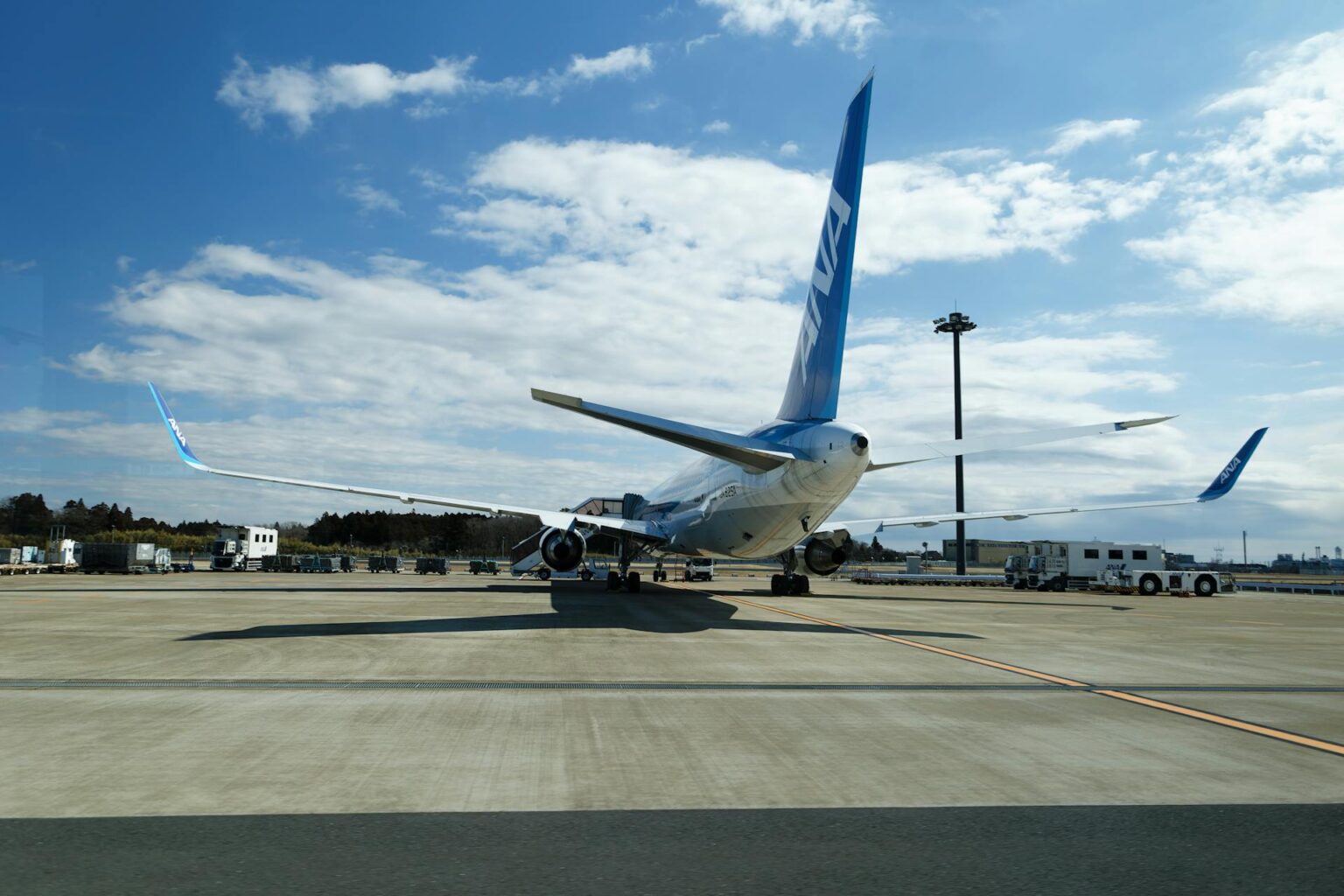
Welcome to the dynamic world of airport ground operations, a complex ballet performed daily across the globe that ensures the seamless flow of air travel. As an industry expert with years immersed in the intricacies of aviation, I can attest that the efficiency and safety of an airport hinge significantly on its ground handling capabilities. We’re not just talking about aircraft taking off and landing; we’re talking about everything that happens between those moments – the meticulous choreography of people and machines that keeps the entire system moving.
In this comprehensive guide, ‘Mastering Ground Ops: Essential Airport Equipment Guide 2026’, we’ll delve deep into the critical role of airport handling equipment. This isn’t merely a list of machinery; it’s an exploration of the sophisticated tools that are the lifeblood of airside operations, from the moment an aircraft touches down until it departs again. We’ll examine the various types of equipment, their functions, and why understanding their deployment and maintenance is paramount for any airport or ground handler looking to excel in the coming years.
The aviation sector is constantly evolving, driven by technological advancements, increasing passenger and cargo volumes, and a relentless pursuit of operational excellence. As we look towards 2026, the demands on ground operations will only intensify. This guide aims to equip you with the knowledge needed to navigate this complex environment, ensuring your ground support operations are not just functional, but truly world-class. We’ll cover everything from the workhorses of the tarmac to the sophisticated systems that manage baggage, all while keeping an eye on the future trends shaping this vital segment of aviation.
The Backbone of Airside Operations: Understanding Airport Handling Equipment
At the heart of every efficient airport lies a robust fleet of airport handling equipment. These are the unsung heroes working tirelessly on the tarmac, ensuring that aircraft are serviced, passengers are boarded, and cargo is moved with precision and speed. Without this specialised machinery, the intricate dance of ground operations would grind to a halt, leading to delays, safety risks, and significant financial implications for airlines and airports alike.
What is Airport Handling Equipment?
Airport handling equipment, often referred to as Ground Support Equipment (GSE), encompasses a vast array of vehicles and devices used to service aircraft between flights. This includes everything from the powerful tugs that push aircraft away from the gate to the intricate systems that sort and transport luggage. Its primary purpose is to facilitate the rapid and safe turnaround of aircraft, ensuring that schedules are met and operational disruptions are minimised. The scope is broad, covering tasks related to aircraft movement, passenger services, baggage and cargo handling, and general airfield maintenance.
The Critical Role in Efficiency and Safety
The importance of this equipment cannot be overstated. Firstly, it directly impacts operational efficiency. Every minute an aircraft spends on the ground costs money, making swift and coordinated ground handling essential for airline profitability. Efficient GSE contributes directly to improving airport turnaround times equipment, a key metric for airlines striving to maintain tight schedules and maximise aircraft utilisation. Secondly, and perhaps more critically, it plays a fundamental role in safety. Malfunctioning equipment or improper operation can lead to serious incidents, endangering personnel, passengers, and multi-million-pound aircraft. Therefore, the reliability, design, and proper use of each piece of equipment are subject to stringent regulations and operational protocols.
Consider the sheer volume of operations at a major international airport. Hundreds of flights arrive and depart daily, each requiring a full suite of ground services. From refuelling and catering to waste disposal and baggage loading, each task relies on specific, well-maintained equipment. The coordination of these diverse elements, all operating within a confined and often busy airside environment, underscores why the selection, deployment, and upkeep of airport handling equipment are paramount to the overall success and reputation of an airport.
Key Categories of Airport Handling Equipment
To truly master ground operations, one must understand the diverse categories of equipment that form the operational backbone. Each type serves a distinct purpose, contributing to the overall efficiency and safety of the airside environment.
Aircraft Servicing Equipment
This category includes the heavy-duty machinery directly involved in preparing an aircraft for its next flight or moving it around the airfield.
-
Pushback Tugs/Tractors: These powerful vehicles are indispensable for moving aircraft away from the gate, a process known as pushback. They are designed to handle the immense weight of various aircraft types, from regional jets to wide-body airliners. Modern tugs often feature advanced hydraulics and precise steering, allowing for controlled and safe manoeuvres in congested gate areas. Their reliability is crucial for maintaining departure schedules.
-
Ground Power Units (GPUs): Once an aircraft’s engines are shut down at the gate, a GPU provides the necessary electrical power to run its systems, including lighting, air conditioning, and avionics. This saves fuel by allowing the aircraft’s Auxiliary Power Unit (APU) to be turned off, reducing noise and emissions. GPUs come in various capacities, both mobile (diesel or electric) and fixed (gate-mounted), tailored to different aircraft power requirements.
-
Air Start Units (ASUs): For aircraft that require an external air source to start their engines, ASUs provide a high volume of compressed air. These units are particularly vital when an aircraft’s APU is inoperative or when an airline seeks to minimise APU usage for environmental or cost reasons. Like GPUs, ASUs can be mobile or fixed, and their performance directly impacts engine start-up times.
-
Aircraft De-icing Rigs: In colder climates, ice and snow accumulation on aircraft surfaces can severely compromise aerodynamic performance. De-icing rigs spray a heated mixture of glycol and water to remove contaminants and prevent re-freezing. These specialised vehicles are often large, with extendable booms and precise spray nozzles, operated by highly trained personnel. Efficient de-icing operations are critical for safety and preventing winter weather delays.
-
Potable Water and Lavatory Service Carts: These essential units ensure passenger comfort and hygiene. Potable water carts replenish the aircraft’s fresh water supply, while lavatory service carts empty and clean the aircraft’s waste tanks. Both require strict adherence to health and safety protocols to prevent contamination and ensure proper waste disposal.
Baggage and Cargo Handling Systems
This segment focuses on the efficient and secure movement of passenger luggage and air freight, a complex logistical challenge.
-
Baggage Carts and Dollies: These simple yet essential pieces of equipment are used to transport individual bags or Unit Load Devices (ULDs) across the tarmac between the terminal and the aircraft. They are designed for durability and ease of towing, forming long trains behind a tow tractor.
-
Belt Loaders: For loading and unloading bulk cargo and individual bags into the belly holds of aircraft, belt loaders are indispensable. These vehicles feature an adjustable conveyor belt that can be raised or lowered to match the height of the aircraft’s cargo door. Their speed and reliability are key factors in improving airport turnaround times equipment.
-
Container Loaders/Unloaders (CLTs): Also known as K-loaders or high-loaders, these specialised vehicles are designed to lift and transfer ULDs (containers and pallets) into and out of the cargo holds of wide-body aircraft. They feature sophisticated platforms that can precisely align with the aircraft’s cargo doors and transfer systems to move ULDs into position within the hold. Their precision and lifting capacity are vital for efficient cargo operations.
-
Unit Load Devices (ULDs): While not strictly equipment in the same sense as vehicles, ULDs are integral to modern baggage and cargo handling. These are containers or pallets used to consolidate cargo and baggage into a single unit, making them easier and quicker to load and unload from aircraft. Proper management and maintenance of ULDs are crucial for operational flow.
-
Automated Baggage Handling Systems (BHS): For airports, a robust BHS is the nervous system of baggage operations. These complex networks of conveyors, sorters, scanners, and sometimes robotic systems, transport luggage from check-in to the correct aircraft, and from arriving aircraft to baggage reclaim. When considering a buying guide for airport baggage handling systems, several factors come into play: the airport’s size and projected growth, the volume of baggage, the desired level of automation, integration with other airport systems, and future scalability. Modern BHS often incorporate advanced tracking technologies like RFID to minimise lost luggage and improve efficiency. Investing in a state-of-the-art BHS can significantly reduce manual labour, increase throughput, and enhance the passenger experience. For a deeper dive into the specifics of moving air freight, you might find this guide on Mastering Air Cargo Essential Handling Equipment Guide particularly informative.
Passenger and Crew Transport Equipment
Ensuring the smooth and comfortable movement of people on the airside is another critical function of GSE.
-
Passenger Stairs/Steps: These mobile staircases allow passengers to board and disembark aircraft when jet bridges are unavailable or for smaller aircraft. They come in various sizes and configurations, some self-propelled, others towable, and are designed with safety features like handrails and non-slip treads.
-
Crew Buses and Vans: Used to transport flight crews, ground staff, and other personnel across the airfield, these vehicles are essential for timely crew changes and operational movements. They must be reliable and capable of navigating the airside environment safely.
-
Ambulifts/PRM Lifts: These specialised vehicles are designed to assist passengers with reduced mobility (PRM) in boarding and disembarking aircraft. They feature an enclosed cabin that can be raised to aircraft door height, providing a dignified and safe transfer for individuals who cannot use standard stairs. Their availability and proper operation are vital for accessibility compliance and passenger service.
Airfield Maintenance and Support Equipment
Beyond direct aircraft servicing, a range of equipment is needed to maintain the airside environment itself.
-
Runway Sweepers and De-icers: Maintaining clear and safe runways is paramount. Sweepers remove debris (Foreign Object Debris or FOD) that could damage aircraft engines, while large-scale de-icers ensure runways remain free of ice and snow during adverse weather conditions. These are heavy-duty, high-capacity machines designed for rapid deployment and coverage.
-
Follow-Me Cars: These distinctive vehicles, often brightly coloured, guide arriving aircraft to their designated parking stands and departing aircraft to the runway holding point. They are equipped with specific lighting and communication systems to ensure clear visibility and coordination with air traffic control.
-
Aircraft Recovery Equipment: While rarely used, this equipment is absolutely critical in the event of an incident. It includes specialised lifting bags, cranes, and towing apparatus designed to safely move disabled aircraft without causing further damage. Having this equipment readily available and personnel trained in its use is a non-negotiable safety requirement for any airport.
The Imperative of Improving Airport Turnaround Times Equipment
In the fast-paced world of aviation, time is quite literally money. The period an aircraft spends on the ground between flights, known as the turnaround time, is a critical operational metric. Airlines strive to minimise this duration to maximise aircraft utilisation, reduce operational costs, and maintain schedule integrity. This is where the strategic deployment and efficiency of improving airport turnaround times equipment become absolutely paramount.
Impact on Airline Profitability and Passenger Experience
A swift turnaround directly translates into increased profitability for airlines. A shorter ground time means an aircraft can fly more sectors in a day, generating more revenue. Conversely, delays ripple through the network, causing missed connections, crew duty time infringements, and passenger dissatisfaction, all of which incur significant costs. From a passenger perspective, efficient turnarounds mean fewer delays, less stress, and a more reliable travel experience. No one wants to sit on a tarmac waiting for ground services to catch up.
Technological Advancements Driving Speed
The drive to shorten turnaround times has spurred significant innovation in GSE. Modern equipment is designed for speed, precision, and ease of operation. For instance, advanced belt loaders can handle baggage more quickly and with less manual effort. Integrated systems that communicate real-time data between ground crews, air traffic control, and airline operations centres allow for better coordination and proactive problem-solving. Electric and hybrid GSE, while offering environmental benefits, also often provide quicker acceleration and quieter operation, contributing to a smoother, faster process. The focus is on reducing bottlenecks and optimising every step of the ground handling sequence.
Optimising Equipment Deployment
It’s not just about having the right equipment; it’s about deploying it intelligently. This involves meticulous planning, real-time tracking, and predictive analytics. Airports and ground handlers are increasingly using telematics and IoT (Internet of Things) devices on their GSE to monitor location, operational status, and even fuel levels. This data allows for dynamic allocation of resources, ensuring that the right piece of equipment is at the right place at the right time. For example, if a flight is delayed, resources can be re-tasked to another aircraft, preventing a domino effect of delays. Furthermore, ergonomic design and user-friendly interfaces on equipment reduce operator fatigue and errors, further contributing to faster and safer operations. The goal is a seamless, almost invisible, transition from arrival to departure, where every piece of equipment plays its part in a perfectly orchestrated sequence.
Ensuring Longevity and Performance: Airport Ground Support Equipment Maintenance Tips
The operational demands on airport handling equipment are immense. These machines operate in harsh environments, often around the clock, and are subjected to heavy use. Therefore, robust and proactive maintenance is not just good practice; it’s a non-negotiable requirement for safety, efficiency, and cost control. Neglecting maintenance can lead to costly breakdowns, operational delays, and potential safety hazards. Effective airport ground support equipment maintenance tips are crucial for extending the lifespan of assets and ensuring consistent performance.
Preventative Maintenance Schedules
The cornerstone of any effective GSE maintenance strategy is a comprehensive preventative maintenance (PM) schedule. This involves routine inspections, servicing, and component replacements based on manufacturer recommendations, operational hours, or calendar intervals, rather than waiting for a failure to occur. A typical PM schedule might include:
-
Daily Checks: Operators perform visual inspections for fluid leaks, tyre pressure, lights, and general functionality before each shift.
-
Weekly/Bi-weekly Checks: More detailed inspections of critical systems like brakes, hydraulics, electrical connections, and safety interlocks.
-
Monthly/Quarterly Servicing: Oil changes, filter replacements, lubrication of moving parts, and adjustments to ensure optimal performance.
-
Annual Overhauls: More extensive inspections, major component replacements (e.g., engine tune-ups, transmission servicing), and calibration of sensitive instruments.
Implementing a robust PM programme significantly reduces the likelihood of unexpected breakdowns, which are far more disruptive and expensive to rectify than scheduled maintenance. It also helps in identifying minor issues before they escalate into major problems, saving both time and money.
Training and Certification for Technicians
Even the most advanced equipment is only as good as the people maintaining it. Highly skilled and certified technicians are essential. Training should cover not only the mechanical and electrical aspects of the equipment but also specific safety protocols for working airside. Regular refresher courses are vital to keep technicians updated on new equipment models, technological advancements, and evolving safety standards. Certification programmes ensure that technicians possess the necessary competencies to perform complex repairs and diagnostics accurately and safely. Investing in technician training is an investment in the reliability and longevity of the entire GSE fleet.
Spare Parts Management
An efficient spare parts inventory is critical to minimising downtime. This involves maintaining an optimal stock level of frequently used or critical components. Too many parts tie up capital; too few lead to extended repair times. Modern inventory management systems, often integrated with maintenance software, can track part usage, predict demand, and automate reordering. Establishing strong relationships with original equipment manufacturers (OEMs) and reputable suppliers ensures access to genuine parts, which are crucial for maintaining equipment integrity and warranty compliance. Having a well-organised parts department means repairs can be completed swiftly, getting equipment back into service faster.
Digitalisation in Maintenance (IoT, Predictive Analytics)
The future of GSE maintenance is increasingly digital. The integration of IoT sensors into equipment allows for real-time monitoring of performance parameters such as engine temperature, fluid levels, vibration, and battery health. This data, when analysed using predictive analytics, can forecast potential failures before they occur. For example, an abnormal vibration pattern might indicate an impending bearing failure, allowing for a proactive replacement during a scheduled downtime rather than a reactive repair after a catastrophic breakdown. This shift from reactive to predictive maintenance significantly improves equipment availability, reduces maintenance costs, and enhances safety. Furthermore, digital maintenance logs and work order systems streamline administrative tasks, provide a clear audit trail, and offer valuable insights into equipment performance and maintenance trends. This proactive approach is also critical for managing the transition to alternative fuel sources, as discussed in Airside Fleets Unlocking Savings With Diesel Alternatives, where new maintenance considerations arise.
Future Trends in Airport Handling Equipment
The landscape of airport handling equipment is far from static. As we look towards 2026 and beyond, several transformative trends are shaping the next generation of GSE, driven by environmental concerns, technological innovation, and the relentless pursuit of greater efficiency and safety.
Electrification and Sustainability
Perhaps the most significant trend is the rapid shift towards electrification. Airports worldwide are under increasing pressure to reduce their carbon footprint and improve air quality. Diesel-powered GSE, while powerful, contributes significantly to emissions and noise pollution on the airside. Electric GSE (eGSE) offers a compelling alternative, providing zero direct emissions, reduced noise levels, and often lower operating costs due to cheaper ‘fuel’ and simpler maintenance requirements. This includes electric pushback tugs, belt loaders, passenger stairs, and even specialised vehicles. The challenge lies in developing robust charging infrastructure, managing battery life, and ensuring sufficient power for continuous operations. However, the benefits are clear, and many airports are setting ambitious targets for transitioning their entire GSE fleet to electric or hybrid models. This move is not just about compliance; it’s about creating a healthier, quieter, and more sustainable airside environment. The article on Airside Fleets Unlocking Savings With Diesel Alternatives provides further context on this important shift.
Automation and Robotics
The aviation industry is increasingly exploring automation to enhance efficiency, reduce labour costs, and improve safety. In ground operations, this translates to the development of autonomous GSE. Imagine self-driving baggage tugs following pre-programmed routes, or robotic systems assisting with cargo loading and unloading. While fully autonomous operations are still some way off for many tasks due to safety regulations and the complexity of the airside environment, semi-autonomous solutions are already emerging. These include remote-controlled pushback tugs, automated guided vehicles (AGVs) for baggage and cargo movement within terminals, and robotic arms for specific loading tasks. Automation promises to reduce human error, increase precision, and allow human operators to focus on more complex, supervisory roles. This revolution in how materials are handled is explored in depth in Revolutionizing Aviation Aircraft Material Handling Equipment.
Data-Driven Operations
The proliferation of sensors and connectivity (IoT) on GSE is generating vast amounts of operational data. This data is no longer just for maintenance; it’s becoming a powerful tool for optimising entire ground operations. By analysing real-time data on equipment location, usage patterns, fuel consumption, and performance metrics, airports and ground handlers can gain unprecedented insights. This allows for:
-
Optimised Dispatch: Ensuring the closest and most appropriate equipment is dispatched to an aircraft.
-
Predictive Maintenance: As discussed earlier, anticipating failures before they occur.
-
Resource Allocation: Dynamically adjusting the number and type of equipment needed based on flight schedules and real-time demand.
-
Performance Benchmarking: Identifying inefficiencies and areas for improvement in ground handling processes.
-
Safety Monitoring: Tracking equipment usage to identify potential risks or operator training needs.
The ability to collect, analyse, and act upon this data will be a key differentiator for airports aiming for peak operational efficiency and safety in the coming years. It transforms ground operations from a reactive process into a proactive, intelligently managed system.
FAQs
What is the primary goal of airport ground operations?
The primary goal is to ensure the safe, efficient, and timely turnaround of aircraft between flights. This involves a coordinated effort to service the aircraft, manage passengers and baggage, and prepare for the next departure, all while adhering to strict safety and regulatory standards.
Why is preventative maintenance so important for GSE?
Preventative maintenance is crucial because it significantly reduces the likelihood of unexpected equipment breakdowns, which can cause costly delays, compromise safety, and lead to more expensive reactive repairs. It extends the lifespan of the equipment and ensures consistent operational reliability.
How do automated baggage handling systems improve airport efficiency?
Automated baggage handling systems (BHS) improve efficiency by rapidly and accurately sorting, transporting, and tracking luggage from check-in to aircraft and vice-versa. They reduce manual labour, minimise errors, decrease lost baggage incidents, and accelerate the overall baggage processing time, directly contributing to faster aircraft turnarounds.
What are the main environmental benefits of electric GSE?
Electric Ground Support Equipment (eGSE) offers significant environmental benefits, including zero direct emissions (reducing air pollution), lower noise levels (improving the working environment for ground staff and reducing noise impact on nearby communities), and often lower energy costs compared to diesel alternatives.
What role does data play in modern ground operations?
Data, collected through IoT sensors and telematics, plays a transformative role by enabling real-time monitoring of equipment, predictive maintenance, optimised resource allocation, and performance benchmarking. This data-driven approach allows airports and ground handlers to make informed decisions, improve efficiency, enhance safety, and proactively manage their operations.
Further Reading
-
International Air Transport Association (IATA) Ground Operations Manual (IGOM)
-
Airport Council International (ACI) publications on airport operations and sustainability
-
Industry journals focusing on aviation ground support and logistics
-
Manufacturer specifications and whitepapers for specific GSE types
Conclusion
As we’ve explored throughout this comprehensive guide, ‘Mastering Ground Ops: Essential Airport Equipment Guide 2026’, the world of airport ground operations is a complex, high-stakes environment where precision, efficiency, and safety are paramount. The array of airport handling equipment, from the powerful pushback tugs to the intricate automated baggage systems, forms the very foundation upon which modern air travel operates. These machines, coupled with skilled personnel and intelligent operational strategies, are the silent orchestrators of the seamless passenger and cargo experience.
We’ve delved into the critical categories of GSE, highlighted the imperative of improving airport turnaround times equipment, and provided essential airport ground support equipment maintenance tips to ensure longevity and peak performance. Looking ahead, the trends towards electrification, automation, and data-driven operations are not just buzzwords; they represent fundamental shifts that will redefine ground handling in the coming years. Airports and ground handlers that embrace these innovations will be best positioned to meet the escalating demands of a growing aviation sector, ensuring sustainable, efficient, and safe operations.
The continuous investment in the right equipment, coupled with a commitment to rigorous maintenance, ongoing training, and the adoption of cutting-edge technologies, will be the hallmarks of successful ground operations in 2026 and beyond. By understanding and strategically managing these vital assets, airports can not only meet but exceed the expectations of airlines and passengers, solidifying their reputation as leaders in the global aviation network. The future of ground ops is dynamic, challenging, and full of opportunities for those prepared to master its intricacies.
Explore Airside Fleets: Unlocking Savings with Diesel Alternatives: https://adaptgse.com/uncategorized/airside-fleets-unlocking-savings-with-diesel-alternatives/
Explore Revolutionizing Aviation: Aircraft Material Handling Equipment: https://adaptgse.com/industry-news/revolutionizing-aviation-aircraft-material-handling-equipment/
Explore Mastering Air Cargo: Essential Handling Equipment Guide: https://adaptgse.com/industry-news/mastering-air-cargo-essential-handling-equipment-guide/
Update On 19 Oct 2026
In this guide, we explored the critical role of airport handling equipment in modern aviation ground operations. We looked into the core categories of GSE, such as pushback tugs, GPUs, and advanced baggage systems, and discussed strategies for improving airport turnaround times equipment. Furthermore, we reviewed essential airport ground support equipment maintenance tips to maximise fleet longevity. As we look towards 2026, embracing electrification, automation, and data-driven insights will be vital for optimising performance and maintaining efficiency across airside operations.