
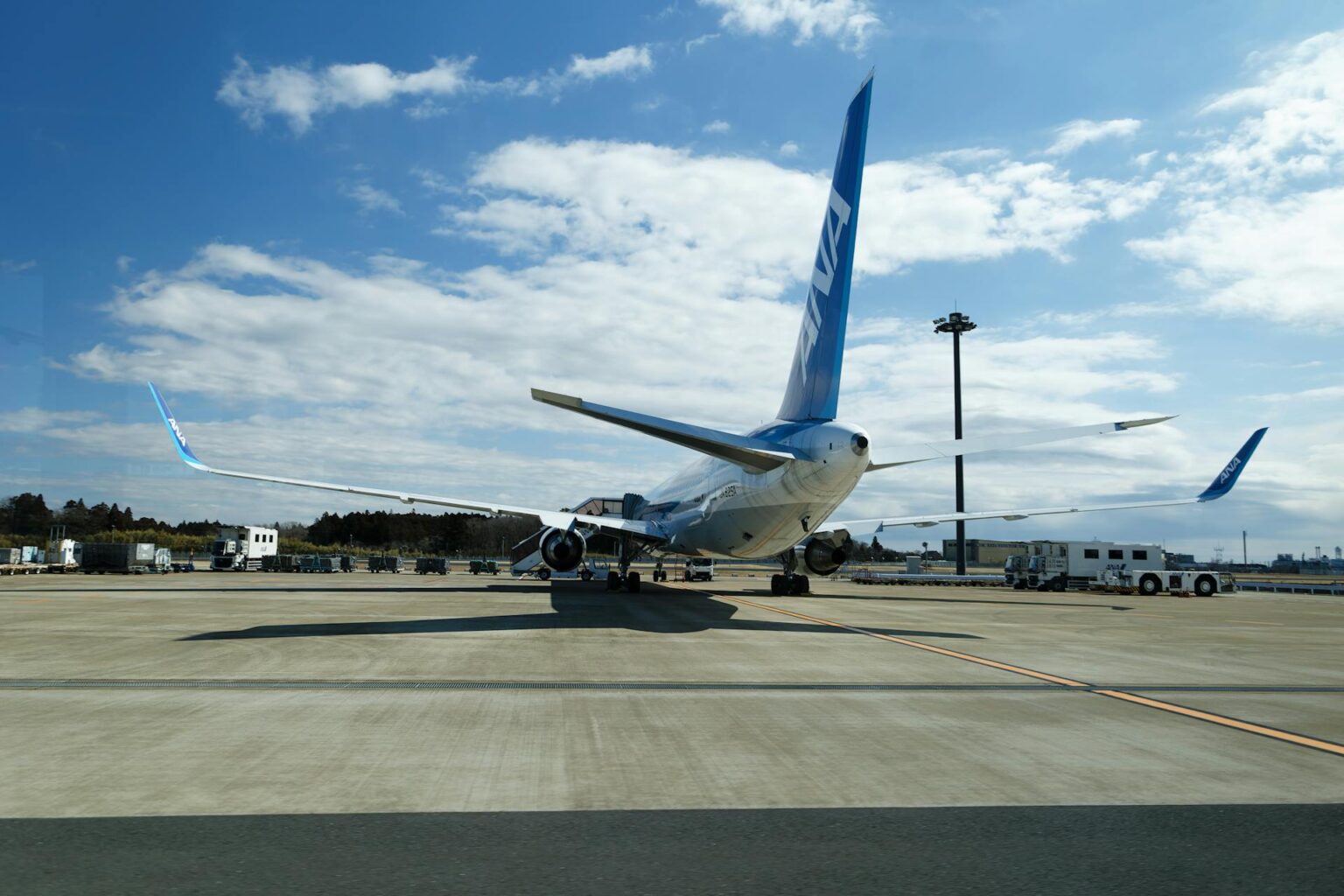
The bustling environment of an airport airside is a meticulously orchestrated ballet, where precision, speed, and safety are paramount. At the heart of this operation lies Ground Support Equipment (GSE) – the unsung heroes that ensure aircraft are serviced, loaded, and dispatched efficiently. As we cast our gaze towards 2026, the landscape of airport operations is poised for significant transformation, driven by relentless ground support equipment innovation. This isn’t merely about incremental improvements; we’re witnessing a fundamental shift in how airports function, how they manage their resources, and how they prepare for the demands of tomorrow’s air travel.
The aviation industry faces a complex array of challenges, from increasing passenger and cargo volumes to stringent environmental regulations and the persistent need for operational cost reduction. These pressures are the primary catalysts for the rapid evolution of GSE. The future of airport ground handling technology is being shaped by advancements in electrification, automation, data analytics, and modular design, all converging to create a more efficient, safer, and environmentally responsible airside ecosystem. Understanding these trends is not just beneficial; it’s essential for any airport operator, ground handler, or industry stakeholder looking to remain competitive and compliant.
In this article, we will delve into the key innovation trends that are set to redefine GSE and, by extension, airport operations by 2026. We’ll explore how these technological strides are addressing current pain points and paving the way for a more streamlined and sustainable future. From the quiet hum of electric vehicles to the precise movements of autonomous units, the changes are profound and far-reaching. Join us as we examine the forces at play and consider the practical implications for the industry.
The Drive Towards Electrification and Sustainability
One of the most significant and visible trends in ground support equipment innovation is the accelerating shift towards electrification and sustainable solutions. The aviation sector, like many others, is under immense pressure to reduce its carbon footprint and minimise noise pollution. This imperative is driving substantial investment in electric and hybrid GSE, making sustainable GSE solutions 2026 a central theme for airport development.
Historically, diesel-powered GSE has been the norm, contributing to air pollution and noise on the apron. However, the advent of advanced battery technologies, improved charging infrastructure, and more efficient electric motors has made electric GSE a viable and increasingly attractive alternative. Airports worldwide are setting ambitious targets for electrifying their ground fleets, often driven by local government mandates and corporate sustainability goals. For instance, many major European airports are aiming for significant reductions in ground emissions within the next few years, with some targeting fully electric ground operations for specific zones.
The benefits of electric GSE extend beyond environmental considerations. Operationally, electric vehicles offer lower running costs due to reduced fuel consumption and often simpler maintenance requirements, as they have fewer moving parts compared to internal combustion engines. They also contribute to a quieter working environment, which improves communication and reduces stress for ground staff, particularly during night operations. The absence of exhaust fumes also creates a healthier atmosphere for personnel working in close proximity to the equipment.
However, the transition isn’t without its challenges. The initial capital expenditure for electric GSE can be higher than traditional diesel models, and airports need to invest in robust charging infrastructure. This includes planning for sufficient power supply, strategically locating charging points, and implementing smart charging systems to manage demand effectively. Battery range and charging times are also critical considerations, especially for equipment that needs to operate continuously for long shifts. Manufacturers are responding with innovations like swappable battery packs and fast-charging capabilities to address these concerns.
Beyond full electrification, hybrid solutions and alternative fuels are also gaining traction. Hybrid GSE combines electric power with a smaller internal combustion engine, offering a bridge solution for airports not yet ready for full electrification or for equipment requiring extended range. Furthermore, advancements in biofuels and hydrogen fuel cell technology are being explored for heavier-duty GSE, offering pathways to decarbonisation where full battery-electric solutions may not yet be practical. The focus on Airside Fleets Unlocking Savings With Diesel Alternatives is a clear indicator of this industry-wide commitment to greener operations. By 2026, we can expect to see a much higher proportion of electric and hybrid GSE on aprons globally, supported by sophisticated energy management systems.
The Rise of Autonomous and Semi-Autonomous GSE
Perhaps one of the most exciting and transformative aspects of the future of airport ground handling technology is the integration of autonomous and semi-autonomous ground support vehicles. While fully driverless operations are still some way off for widespread adoption, significant strides are being made, and by 2026, we anticipate seeing more advanced levels of automation becoming commonplace in controlled environments.
The primary autonomous ground support vehicles benefits are multifaceted, revolving around enhanced safety, increased efficiency, and optimised resource utilisation. Human error is a significant factor in airside incidents, and autonomous systems, equipped with advanced sensors, AI, and precise navigation capabilities, can significantly reduce the risk of collisions and operational mistakes. These systems can detect obstacles, adhere to predefined routes, and communicate with other autonomous and manned vehicles, creating a safer working environment.
In terms of efficiency, autonomous GSE can operate with consistent precision and speed, reducing turnaround times for aircraft. They can be programmed to follow optimal paths, minimise idle time, and even perform tasks in sequence without human intervention. This consistency is particularly valuable for repetitive tasks such as baggage loading, cargo transport, or aircraft pushback. Imagine a fleet of baggage tractors autonomously ferrying luggage between the terminal and aircraft, coordinating their movements seamlessly to avoid congestion and ensure timely delivery.
Furthermore, automation addresses the persistent challenge of labour shortages in the ground handling sector. While it won’t entirely replace human workers, it allows existing staff to focus on more complex, supervisory, or customer-facing roles, rather than routine driving tasks. This reallocation of human capital can lead to better job satisfaction and more strategic deployment of personnel.
Current applications often involve semi-autonomous features, such as collision avoidance systems, automated parking, and remote-controlled operations for specific tasks. For example, some baggage loaders now feature sensors that assist operators in positioning the equipment precisely against the aircraft, reducing the risk of damage. The next step involves ‘follow-me’ technology, where a lead vehicle or operator guides a convoy of autonomous units. Fully autonomous vehicles are being trialled in restricted areas, such as cargo zones or remote maintenance facilities, where the operational environment is less complex and more predictable.
Challenges remain, including regulatory hurdles, the need for robust cybersecurity, and the integration of autonomous systems with existing airport infrastructure and air traffic control. The human element also requires careful consideration, as ground staff will need retraining to operate alongside and manage these advanced systems. However, the trajectory is clear: autonomous ground support vehicles benefits are too compelling to ignore, and their presence will grow substantially by 2026, fundamentally altering the operational dynamics of the apron.
Data-Driven Operations and Smart GSE
The digital revolution has firmly arrived on the airside, transforming ground support equipment from mere mechanical workhorses into intelligent, connected assets. The future of airport ground handling technology is intrinsically linked to the power of data, with smart GSE becoming central to optimising operations. This trend involves equipping GSE with an array of sensors, connectivity modules, and onboard computing capabilities, allowing them to collect, transmit, and analyse vast amounts of operational data.
This data-driven approach offers unprecedented visibility into GSE performance, utilisation, and maintenance needs. Telematics systems, for instance, can track the location, speed, and operational status of every piece of equipment in real-time. This information is invaluable for fleet managers, enabling them to make informed decisions about equipment deployment, identify bottlenecks, and ensure optimal resource allocation. If a particular piece of equipment is underutilised, it can be redeployed to an area of higher demand, thereby improving overall efficiency.
Predictive maintenance is another significant benefit of smart GSE. By continuously monitoring key parameters such as engine temperature, battery health, tyre pressure, and hydraulic fluid levels, the system can detect anomalies and predict potential failures before they occur. This allows maintenance teams to schedule interventions proactively, replacing parts or performing services during planned downtime rather than reacting to costly and disruptive breakdowns. This not only extends the lifespan of the equipment but also significantly reduces unexpected operational interruptions, which are particularly costly in the time-sensitive airport environment. This proactive approach is a cornerstone of efficient ground handling, as detailed in guides like Mastering Air Cargo Essential Handling Equipment Guide.
Furthermore, data from smart GSE can be integrated with other airport operational systems, such as flight schedules, gate management, and baggage handling systems. This holistic view allows for a truly integrated and responsive ground handling operation. For example, if a flight is delayed, the system can automatically adjust the deployment of relevant GSE, preventing unnecessary idling and ensuring equipment is available precisely when needed for the next task. This level of integration fosters a more agile and resilient operation, capable of adapting quickly to the dynamic nature of airport environments.
The insights gained from this data can also be used for continuous improvement. By analysing historical performance data, airports can identify trends, optimise operational procedures, and even inform future GSE procurement decisions. The ability to measure and analyse every aspect of GSE operation is a game-changer, moving ground handling from reactive management to proactive, data-informed strategic planning. By 2026, smart GSE will be the norm, providing the intelligence needed to run highly efficient and responsive airport operations.
Modular Design and Multi-Functional Equipment
As airports strive for greater operational flexibility and cost-effectiveness, the trend towards modular design and multi-functional ground support equipment is gaining considerable momentum. This approach represents a significant ground support equipment innovation, moving away from highly specialised, single-purpose machines towards more adaptable and versatile solutions.
Modular design involves creating GSE with interchangeable components or attachments that can be easily swapped out to perform different tasks. For example, a single chassis might be able to accommodate various modules, transforming it from a baggage tractor into a cargo loader or a de-icing unit with minimal downtime. This flexibility is particularly beneficial for smaller airports or those with fluctuating operational demands, as it reduces the need to purchase and maintain a large, diverse fleet of specialised equipment.
The advantages of modularity are numerous. Firstly, it leads to significant cost savings in procurement and maintenance. Instead of buying multiple machines, an airport can invest in fewer base units and a range of modules, reducing the overall capital expenditure. Maintenance is also simplified, as common parts and training can be applied across different configurations of the same base unit. This streamlines spare parts inventory and reduces the complexity of maintenance schedules.
Secondly, multi-functional equipment enhances operational efficiency. Ground handlers can quickly reconfigure equipment to meet immediate needs, responding more effectively to unexpected changes in flight schedules or operational requirements. This adaptability minimises idle time for equipment and maximises its utilisation across various tasks throughout the day. For instance, a unit used for passenger stairs in the morning could be reconfigured for cargo loading in the afternoon, ensuring continuous productivity.
This trend also aligns well with the push for sustainability. By having fewer pieces of equipment that can perform more roles, airports can reduce their overall fleet size, leading to lower energy consumption, fewer emissions, and a smaller physical footprint on the apron. It also simplifies the eventual recycling or disposal of equipment, as components can be more easily separated and reused.
Manufacturers are increasingly designing GSE with this modularity in mind, offering platforms that can be customised to specific airport requirements. This includes standardised interfaces for attachments, quick-release mechanisms, and software that can adapt to different operational profiles. By 2026, we can expect to see a greater prevalence of these versatile machines, allowing airports to optimise their ground handling operations with unprecedented agility and economic prudence.
Training and Workforce Adaptation for the Future
While the focus on ground support equipment innovation often centres on the technology itself, it is crucial to recognise that the human element remains central to successful implementation. The introduction of advanced GSE, particularly electric and autonomous systems, necessitates a significant evolution in the skills and training required for the ground handling workforce. By 2026, airports and ground handlers will need robust strategies for workforce adaptation to fully realise the benefits of these new technologies.
The transition to electric GSE, for example, requires technicians to be proficient in electrical systems, battery management, and charging infrastructure, moving beyond traditional diesel engine mechanics. This involves understanding high-voltage systems, diagnostic tools specific to electric vehicles, and the safety protocols associated with them. Similarly, operators will need training on the nuances of electric vehicle performance, including range management and regenerative braking, which differ from conventional vehicles.
The integration of autonomous and semi-autonomous GSE presents an even more profound shift. Ground staff will transition from purely manual operation to roles that involve supervision, monitoring, and intervention when necessary. This demands a different skill set, including an understanding of automation software, sensor interpretation, and the ability to troubleshoot basic issues. Training will need to cover how to safely interact with autonomous vehicles, how to take manual control in emergencies, and how to interpret data from these intelligent systems. The focus will shift from driving to managing a fleet of smart machines.
Virtual reality (VR) and augmented reality (AR) are emerging as powerful tools for this new era of training. VR simulations can provide immersive, risk-free environments for operators to practice handling new GSE, including autonomous systems, and to familiarise themselves with new operational procedures. AR can overlay digital information onto real-world equipment, assisting technicians with maintenance tasks or guiding operators through complex sequences. These technologies can significantly accelerate the learning curve and ensure a higher level of proficiency before staff operate live equipment on the apron.
Beyond technical skills, there’s a need for a cultural shift within ground handling teams. Embracing new technologies requires an open mindset, a willingness to learn, and an understanding of how these innovations contribute to overall airport efficiency and safety. Effective change management and clear communication are essential to ensure that the workforce feels supported and empowered by these advancements, rather than threatened by them. Investing in continuous professional development and creating pathways for upskilling will be vital for retaining talent and building a future-ready workforce capable of navigating the future of airport ground handling technology.
FAQs
What is the primary driver for GSE innovation in 2026?
The primary drivers are the increasing demand for operational efficiency, stringent environmental regulations pushing for decarbonisation, and the need to enhance safety and address labour shortages. These factors collectively compel airports and ground handlers to seek advanced ground support equipment innovation.
How will sustainable GSE solutions 2026 impact airport infrastructure?
The widespread adoption of sustainable GSE, particularly electric vehicles, will necessitate significant investment in charging infrastructure, including smart charging stations, upgraded power grids, and potentially renewable energy sources on-site. Airports will need to strategically plan the placement and management of these charging points.
What are the main autonomous ground support vehicles benefits?
The main benefits include enhanced safety by reducing human error, increased operational efficiency through consistent and precise task execution, and optimised resource utilisation by addressing labour challenges and improving turnaround times. These vehicles can operate with greater predictability and coordination.
Will autonomous GSE completely replace human ground staff by 2026?
No, it is highly unlikely that autonomous GSE will completely replace human ground staff by 2026. Instead, automation will augment human capabilities, allowing staff to transition to supervisory, monitoring, and more complex problem-solving roles. The focus is on collaboration between humans and machines to improve overall operations.
How does data-driven GSE improve maintenance?
Data-driven GSE enables predictive maintenance by continuously monitoring equipment health and performance. This allows maintenance teams to anticipate potential failures and schedule proactive interventions, reducing unexpected breakdowns, extending equipment lifespan, and lowering overall maintenance costs.
Conclusion
As we look towards 2026, it’s clear that the landscape of airport ground operations is undergoing a profound transformation, driven by relentless ground support equipment innovation. The trends we’ve explored – the unwavering commitment to electrification and sustainable GSE solutions 2026, the calculated integration of autonomous ground support vehicles benefits, the intelligence derived from data-driven operations, and the flexibility offered by modular design – are not isolated developments. Instead, they represent a cohesive movement towards a more efficient, safer, and environmentally responsible airside environment.
The future of airport ground handling technology is one where electric vehicles hum quietly across the apron, guided by intelligent systems that communicate seamlessly with each other and with central control. It’s a future where data provides real-time insights, enabling proactive maintenance and optimal resource allocation. It’s also a future that demands a skilled and adaptable workforce, ready to collaborate with advanced machinery and embrace new operational paradigms. Airports and ground handlers that proactively invest in these innovations, not just in equipment but also in infrastructure and human capital, will be best positioned to meet the escalating demands of the aviation industry.
The journey towards this future is dynamic, requiring continuous adaptation and a forward-thinking approach. By embracing these innovation trends, the aviation sector can ensure that ground operations remain the bedrock of safe, efficient, and sustainable air travel for years to come. The changes are not merely about upgrading machinery; they are about redefining the very essence of how airports operate on the ground, setting new benchmarks for performance and environmental stewardship.
Explore Airside Fleets: Unlocking Savings with Diesel Alternatives: https://adaptgse.com/uncategorized/airside-fleets-unlocking-savings-with-diesel-alternatives/
Explore Revolutionizing Aviation: Aircraft Material Handling Equipment: https://adaptgse.com/industry-news/revolutionizing-aviation-aircraft-material-handling-equipment/
Explore Mastering Air Cargo: Essential Handling Equipment Guide: https://adaptgse.com/industry-news/mastering-air-cargo-essential-handling-equipment-guide/
Update On 19 Oct 2026
As we examine the future of airside operations, we explored how ground support equipment innovation is fundamentally transforming apron management. We looked into key trends such as the accelerated shift towards electrification, the integration of autonomous ground support vehicles, and the deployment of smart, data-driven GSE to optimise turnaround times. Furthermore, we discussed how modular design and workforce upskilling are essential for maintaining competitive edge and environmental compliance. Consider how your organisation is preparing its infrastructure and GSE service management strategies to meet these upcoming 2026 industry benchmarks.