
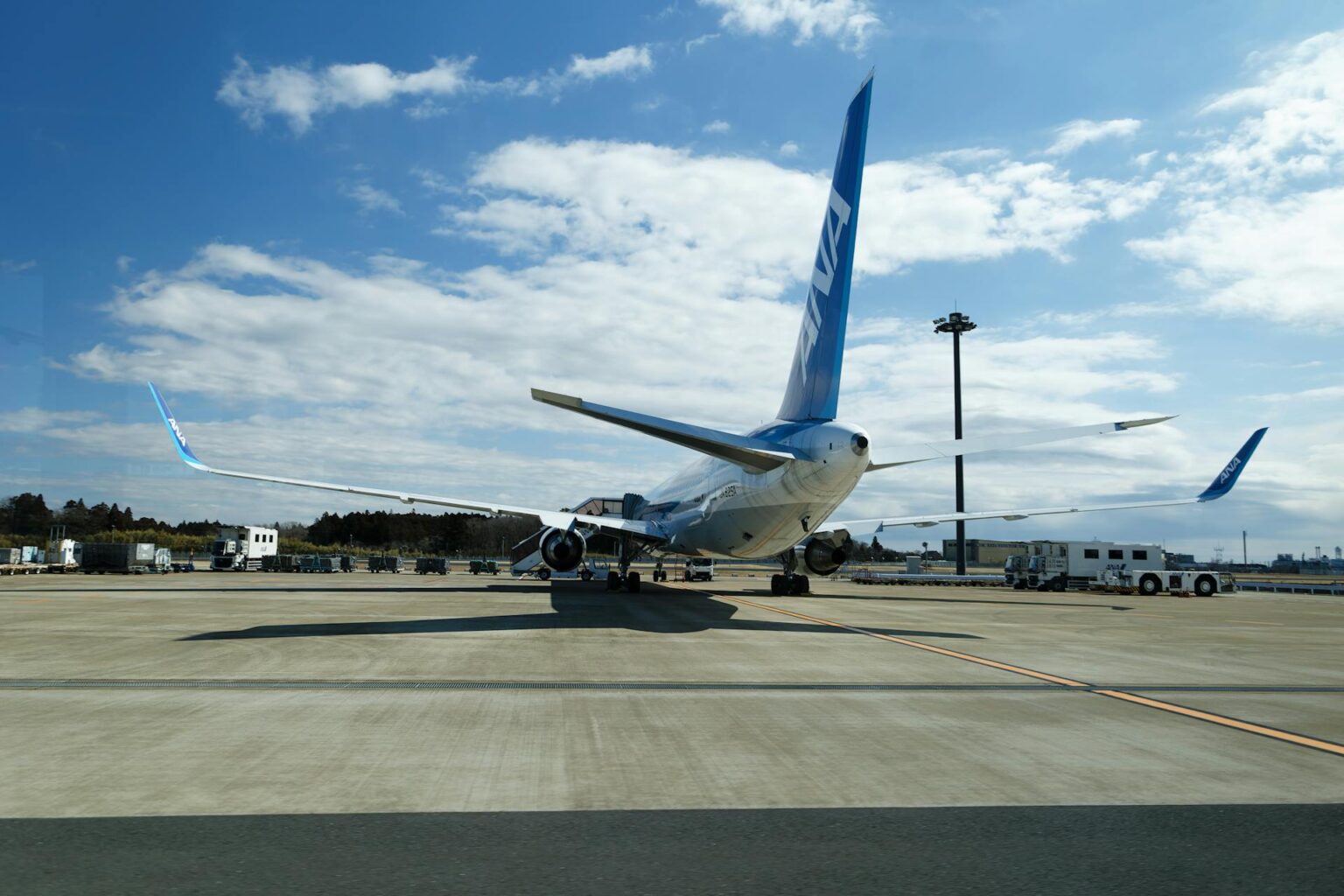
Madrid-Barajas Adolfo Suárez Airport (MAD) stands as a vital artery in Europe’s aviation network, a bustling hub connecting continents and facilitating millions of passenger journeys and vast quantities of cargo each year. The seamless operation of such a colossal facility hinges not just on aircraft and air traffic control, but critically on the efficiency and reliability of its ground support equipment (GSE). These unsung heroes of the tarmac – from baggage loaders and pushback tractors to passenger stairs and catering trucks – are the backbone of every turnaround, ensuring flights depart and arrive on schedule.
As we cast our gaze towards 2026, the landscape for ground support equipment at Madrid Barajas is poised for considerable transformation. The aviation industry is in a constant state of flux, driven by technological advancements, an increasing focus on environmental responsibility, and the relentless pursuit of operational efficiency. For an airport of Barajas’s stature, staying ahead of these trends is not merely an option but a necessity to maintain its competitive edge and uphold its reputation for world-class service.
This article will delve into the anticipated trends shaping ground support equipment in Madrid Barajas for 2026. We will explore how innovation, sustainability, and data-driven approaches are set to redefine operations on the apron, examining the specific implications for Madrid airport GSE maintenance 2026, the evolving role of Barajas ground handling equipment suppliers, and the growing prominence of electric ground support vehicles Madrid. Our aim is to provide a detailed outlook on the future of ground operations at one of Europe’s most significant aviation gateways.
The Current State of GSE at Madrid-Barajas Airport
Madrid-Barajas Airport, with its four terminals and extensive network of runways, manages an immense volume of air traffic daily. This scale necessitates a vast and diverse fleet of ground support equipment, ranging from conventional diesel-powered vehicles to an increasing number of electric and hybrid models. The current operational environment at Barajas is a complex interplay of various ground handling companies, each managing their own GSE fleets, often comprising equipment from multiple manufacturers.
Historically, the focus has been on robust, reliable machinery capable of withstanding the demanding airport environment. Diesel engines have long been the workhorse, valued for their power and endurance. However, the environmental impact and noise pollution associated with these traditional machines have become significant considerations. While Barajas has made strides in modernising its fleet, a considerable portion still represents older generations of equipment, presenting both challenges and opportunities for future upgrades.
Managing this diverse fleet involves intricate logistical planning, ensuring the right equipment is available at the right place and time for each aircraft turnaround. The sheer volume of operations means that even minor delays caused by GSE malfunctions can have a cascading effect across the airport’s schedule. Therefore, the reliability and availability of ground support equipment Madrid Barajas are paramount. The airport’s existing infrastructure, including maintenance facilities and charging points, has been developed over decades, and while functional, it requires continuous adaptation to accommodate newer technologies and operational demands. Understanding the current operational baseline is essential before we can fully appreciate the transformative trends expected by 2026.
Key Technological Trends Shaping GSE in 2026
The next few years promise a significant technological evolution for ground support equipment, moving beyond mere mechanical improvements to embrace digital integration and automation. These advancements are set to redefine efficiency, safety, and operational intelligence on the tarmac at Barajas.
Automation and Autonomy
One of the most compelling trends is the gradual introduction of automation and, eventually, autonomous GSE. While fully driverless operations might still be some way off for widespread adoption, semi-autonomous features are already appearing. Imagine baggage tractors that can follow pre-programmed routes, or cargo loaders that can precisely position themselves with minimal human intervention. These systems reduce the potential for human error, improve safety, and can optimise routing and speed, leading to faster turnarounds. The integration of advanced sensors, GPS, and artificial intelligence will allow GSE to navigate complex apron environments, detect obstacles, and communicate with other vehicles and airport systems. This shift will require significant investment in infrastructure and regulatory frameworks, but the long-term benefits in terms of operational consistency and reduced labour costs are substantial. For a deeper understanding of the various types of equipment involved, consider exploring resources on Understanding Airport Gse Essential Ground Support Equipment.
Data Analytics and Internet of Things (IoT)
The proliferation of IoT sensors on GSE is generating vast amounts of data. By 2026, this data will be routinely collected, analysed, and used to make informed operational decisions at Barajas. Sensors can monitor everything from engine performance and fuel consumption to tyre pressure, battery health, and even the precise location and usage patterns of each piece of equipment. This real-time data allows ground handlers to identify inefficiencies, predict potential failures before they occur, and optimise fleet deployment. Predictive analytics, powered by machine learning, will become a standard tool, moving maintenance from a reactive to a proactive model. This not only minimises downtime but also extends the lifespan of equipment and reduces overall operational costs.
Advanced Telematics and Connectivity
Building on IoT, advanced telematics systems will provide comprehensive oversight of the entire GSE fleet. This includes GPS tracking for precise location, geofencing to ensure equipment stays within designated areas, and detailed reporting on operational metrics such as speed, idle time, and usage hours. Enhanced connectivity, possibly through 5G networks, will ensure seamless data transmission between GSE, control towers, and maintenance depots. This level of connectivity is crucial for supporting autonomous operations and for providing ground handlers with a complete, real-time picture of their assets. Such systems will be instrumental in optimising the flow of ground support equipment Madrid Barajas, ensuring that resources are allocated effectively to meet the dynamic demands of aircraft movements.
Sustainability and Electrification: A Focus for Barajas
The global aviation industry is under increasing pressure to reduce its environmental footprint, and ground operations are a significant part of this equation. By 2026, sustainability will not just be a buzzword but a fundamental driver for investment and operational changes at Madrid-Barajas, particularly concerning ground support equipment. The push for electric ground support vehicles Madrid is set to intensify considerably.
The Shift to Electric GSE
Electric ground support vehicles Madrid are no longer a niche product; they are becoming the standard for many types of equipment. Electric baggage tractors, pushback tugs, belt loaders, and passenger stairs offer numerous advantages. Foremost among these are zero tailpipe emissions, which significantly improve air quality on the apron and in terminal areas, benefiting both airport staff and passengers. Electric GSE also operates much more quietly than their diesel counterparts, reducing noise pollution – a considerable benefit in a busy airport environment like Barajas. Furthermore, electric vehicles often have lower running costs due due to cheaper electricity compared to diesel and reduced maintenance requirements, as electric motors have fewer moving parts.
The adoption of electric ground support vehicles Madrid will require substantial investment in charging infrastructure. Barajas will need to expand its network of charging stations, ensuring they are strategically located to minimise downtime and operational disruption. This includes considering fast-charging technologies and smart charging systems that can manage power demand efficiently. The evolution of battery technology, offering longer ranges and faster charging times, will also play a pivotal role in accelerating this transition.
Alternative Fuels and Hybrid Solutions
While electrification is a primary focus, other sustainable solutions will also gain traction. Hybrid GSE, which combines electric power with a smaller internal combustion engine, offers a transitional step, providing extended operational range where full electrification might not yet be practical. Furthermore, the exploration of alternative fuels for certain heavy-duty GSE, such as hydrogen fuel cells, could also feature in Barajas’s long-term sustainability strategy. These technologies, while perhaps not mainstream by 2026, will certainly be part of the ongoing research and development efforts by Barajas ground handling equipment suppliers.
Environmental Compliance and Corporate Responsibility
Beyond operational benefits, the move towards sustainable GSE aligns with stricter environmental regulations and corporate social responsibility goals. Airports and ground handlers are increasingly judged on their environmental performance. Investing in green GSE demonstrates a commitment to reducing carbon emissions and contributing to a cleaner, healthier environment. This commitment can also translate into positive public perception and stronger relationships with airlines and local communities. For a broader perspective on the importance of sustainable equipment, consider reading about Essential Aviation Ground Support Equipment For Airports.
Maintenance and Operational Efficiency: The Future of Madrid Airport GSE Maintenance 2026
The efficiency and reliability of ground support equipment are directly tied to the effectiveness of its maintenance regimes. By 2026, Madrid airport GSE maintenance 2026 is set to undergo a significant transformation, moving away from traditional reactive approaches towards more sophisticated, data-driven strategies.
Predictive Maintenance Paradigms
The integration of IoT and data analytics, as discussed earlier, will revolutionise maintenance practices. Instead of scheduled maintenance based on time or mileage, or reactive repairs after a breakdown, predictive maintenance will become the norm. Sensors on GSE will continuously monitor the condition of critical components – engines, transmissions, batteries, hydraulics – and transmit this data in real-time. Algorithms will analyse these data streams to identify patterns indicative of impending failure, allowing maintenance teams to intervene proactively before a fault occurs. This approach minimises unexpected downtime, reduces the risk of operational disruptions, and allows for more efficient scheduling of maintenance tasks during off-peak hours.
For Madrid-Barajas, this means a substantial reduction in the number of GSE breakdowns on the apron, which directly translates to improved on-time performance for flights. It also optimises the use of spare parts and technician time, as repairs can be planned precisely when needed, rather than being performed prematurely or in an emergency. The ability to predict and prevent failures will be a cornerstone of efficient ground support equipment Madrid Barajas operations.
Digitalisation of Maintenance Workflows
Paper-based checklists and manual record-keeping will largely be replaced by digital maintenance management systems (MMS) and enterprise asset management (EAM) software. Technicians will use tablets or ruggedised mobile devices to access digital work orders, view equipment schematics, log repairs, and order parts. This digitalisation improves accuracy, reduces administrative overheads, and provides a comprehensive, searchable history for every piece of equipment. It also facilitates better communication between maintenance teams, ground handlers, and Barajas ground handling equipment suppliers.
Training and Skill Development
The shift towards more technologically advanced and electric GSE necessitates a corresponding evolution in the skills of maintenance personnel. Technicians will require training in areas such as electrical systems, battery management, software diagnostics, and data interpretation. Barajas, along with its ground handling partners, will need to invest in continuous professional development programmes to ensure their workforce is equipped to handle the complexities of modern GSE. This includes partnerships with manufacturers and educational institutions to develop specialised training modules. Selecting the right equipment that is also easy to maintain and troubleshoot is a key consideration, as highlighted in discussions around Selecting Top Airport Ground Support Equipment For Efficiency.
Optimising Fleet Utilisation
Beyond maintenance, data analytics will also play a crucial role in optimising the overall utilisation of the GSE fleet. By understanding peak usage times, idle periods, and the actual demand for specific equipment types, ground handlers can make more informed decisions about fleet size and deployment. This can lead to reduced capital expenditure on unnecessary equipment and more efficient allocation of existing assets, further enhancing operational efficiency across the airport.
The Role of Barajas Ground Handling Equipment Suppliers
The relationship between Madrid-Barajas Airport, its ground handling companies, and the Barajas ground handling equipment suppliers is symbiotic. As the airport evolves, so too must the offerings and support provided by these crucial partners. By 2026, suppliers will be more than just vendors; they will be integral partners in innovation and operational excellence.
Innovation and Product Development
Suppliers are at the forefront of developing the next generation of GSE. They are investing heavily in research and development to produce electric ground support vehicles Madrid, autonomous capabilities, and equipment integrated with advanced telematics and IoT sensors. For Barajas, this means a wider array of sophisticated options to choose from, tailored to specific operational needs and sustainability targets. Suppliers will be competing not just on price, but on the technological sophistication, reliability, and environmental performance of their products.
This also extends to customisation. As airports like Barajas face unique challenges and operational layouts, suppliers will increasingly offer bespoke solutions or modular designs that can be adapted to specific requirements. This collaborative approach ensures that the equipment truly meets the demands of a high-volume, complex environment.
After-Sales Support and Service Level Agreements
With the increasing complexity of GSE, robust after-sales support becomes even more critical. Barajas ground handling equipment suppliers will need to provide comprehensive service level agreements (SLAs) that guarantee rapid response times for repairs, readily available spare parts, and expert technical assistance. This includes remote diagnostics capabilities, where suppliers can access equipment data to troubleshoot issues from afar, often before a technician needs to be dispatched.
Furthermore, suppliers will play a key role in providing ongoing training for ground handling staff and maintenance technicians. As new models and technologies are introduced, continuous education ensures that airport personnel can operate and maintain the equipment safely and efficiently. This partnership in knowledge transfer is vital for the successful adoption of advanced GSE.
Leasing and Flexible Procurement Models
The significant capital investment required for new GSE, especially electric and autonomous models, can be a barrier. By 2026, Barajas ground handling equipment suppliers will likely offer more flexible procurement models, such as leasing agreements, pay-per-use contracts, or even ‘GSE as a Service’ models. These options can help ground handlers manage their budgets more effectively, reduce upfront costs, and allow for easier upgrades to newer technology as it becomes available. Such models also shift some of the maintenance burden and risk back to the supplier, allowing ground handlers to focus on their core operations.
Strategic Partnerships
The future will see stronger, more strategic partnerships between Barajas, its ground handlers, and key suppliers. These relationships will extend beyond simple transactions to involve joint planning, data sharing (under strict privacy protocols), and collaborative innovation projects. Suppliers who can demonstrate a deep understanding of Barajas’s operational challenges and offer proactive solutions will be highly valued, contributing significantly to the airport’s overall efficiency and sustainability goals.
Challenges and Opportunities for Barajas
The journey towards a more advanced and sustainable ground support equipment Madrid Barajas operation is not without its hurdles, but it also presents significant opportunities for growth and leadership within the aviation sector.
Challenges
- Investment Costs: The transition to electric and automated GSE, along with the necessary charging infrastructure and digital systems, represents a substantial capital outlay. Securing funding and demonstrating a clear return on investment will be crucial for Barajas and its ground handling partners.
- Infrastructure Upgrades: Beyond charging points for electric ground support vehicles Madrid, the airport’s existing infrastructure may need modifications to support autonomous vehicles, including enhanced Wi-Fi or 5G connectivity across the apron, and potentially dedicated lanes or zones for automated equipment.
- Regulatory Hurdles: The introduction of autonomous GSE will require clear regulatory frameworks and safety standards from aviation authorities. Navigating these regulations and ensuring compliance will be a complex process.
- Workforce Transition: While new technologies create efficiencies, they also necessitate a shift in workforce skills. Managing this transition, providing adequate training, and addressing potential concerns about job displacement will be important for maintaining a motivated and skilled workforce.
- Integration Complexity: Integrating new GSE technologies with existing airport operational systems, air traffic control, and ground handling software can be a complex undertaking, requiring careful planning and robust testing.
Opportunities
- Enhanced Efficiency and Turnaround Times: Modern GSE, particularly automated and data-driven systems, can significantly streamline ground operations, leading to faster and more predictable aircraft turnarounds. This directly benefits airlines and improves passenger experience.
- Reduced Environmental Impact: The widespread adoption of electric ground support vehicles Madrid will dramatically lower carbon emissions and noise pollution at the airport, aligning Barajas with global sustainability goals and improving the working environment for ground staff.
- Improved Safety: Automation and advanced sensor technology can reduce the risk of accidents and incidents on the apron, which are often costly and disruptive. Predictive maintenance also contributes to safer operations by preventing equipment failures.
- Competitive Advantage: By embracing these trends, Madrid-Barajas can solidify its position as a leading, modern, and environmentally responsible airport in Europe. This can attract more airlines and passengers, boosting its economic contribution.
- Data-Driven Decision Making: The wealth of data generated by smart GSE will provide unprecedented insights into operational performance, allowing for continuous optimisation and strategic planning for future growth.
Further Reading
-
For more detailed information on the various types of equipment that form the backbone of airport operations, consider exploring resources on Understanding Airport Gse Essential Ground Support Equipment.
-
To understand the strategic considerations involved in acquiring and managing GSE for optimal performance, delve into insights on Selecting Top Airport Ground Support Equipment For Efficiency.
-
For a deeper dive into how sustainability is shaping the choices and deployment of ground support equipment in modern airports, refer to articles discussing Essential Aviation Ground Support Equipment For Airports.
Conclusion
The future of ground support equipment at Madrid-Barajas Adolfo Suárez Airport by 2026 is one of profound transformation, driven by a convergence of technological innovation, an unwavering commitment to sustainability, and a relentless pursuit of operational excellence. The days of purely mechanical, reactive ground operations are steadily giving way to a more intelligent, interconnected, and environmentally conscious approach.
We have explored how automation, data analytics, and advanced telematics will redefine efficiency and safety on the tarmac, providing ground handlers with unprecedented insights and control over their fleets. The significant push towards electric ground support vehicles Madrid will not only reduce the airport’s carbon footprint and noise pollution but also contribute to a healthier working environment and potentially lower operational costs in the long run. Furthermore, the evolution of Madrid airport GSE maintenance 2026 towards predictive models will ensure greater reliability and minimise disruptive downtime.
The role of Barajas ground handling equipment suppliers will be more collaborative than ever, as they become key partners in delivering cutting-edge solutions, comprehensive support, and flexible procurement models. While challenges such as substantial investment and infrastructure upgrades remain, the opportunities for Barajas to enhance its efficiency, improve safety, and solidify its position as a leading sustainable airport are immense.
Ultimately, the trends for ground support equipment Madrid Barajas in 2026 paint a picture of an airport that is not just keeping pace with global aviation advancements but actively shaping its future. By embracing these changes, Barajas will continue to provide seamless, efficient, and responsible service, ensuring its continued prominence as a critical hub in the international air transport network.
Explore Understanding Airport GSE: Essential Ground Support Equipment: https://adaptgse.com/industry-news/understanding-airport-gse-essential-ground-support-equipment/
Explore Selecting Top Airport Ground Support Equipment for Efficiency: https://adaptgse.com/industry-news/selecting-top-airport-ground-support-equipment-for-efficiency/
Explore Essential Aviation Ground Support Equipment for Airports: https://adaptgse.com/sustainability/essential-aviation-ground-support-equipment-for-airports/
Update On 19 Oct 2026
As we examine the future of ground support equipment madrid barajas, we see a sector poised for profound transformation driven by sustainability and technological innovation. We looked into how the integration of IoT sensors, predictive maintenance, and automation will revolutionise apron operations and enhance fleet reliability. Furthermore, we explored the accelerating shift towards electric ground support equipment sales, which are becoming central to reducing carbon emissions and noise pollution across European aviation hubs. Consider how your organisation plans to adapt its infrastructure and procurement strategies to meet these upcoming 2026 operational standards.