
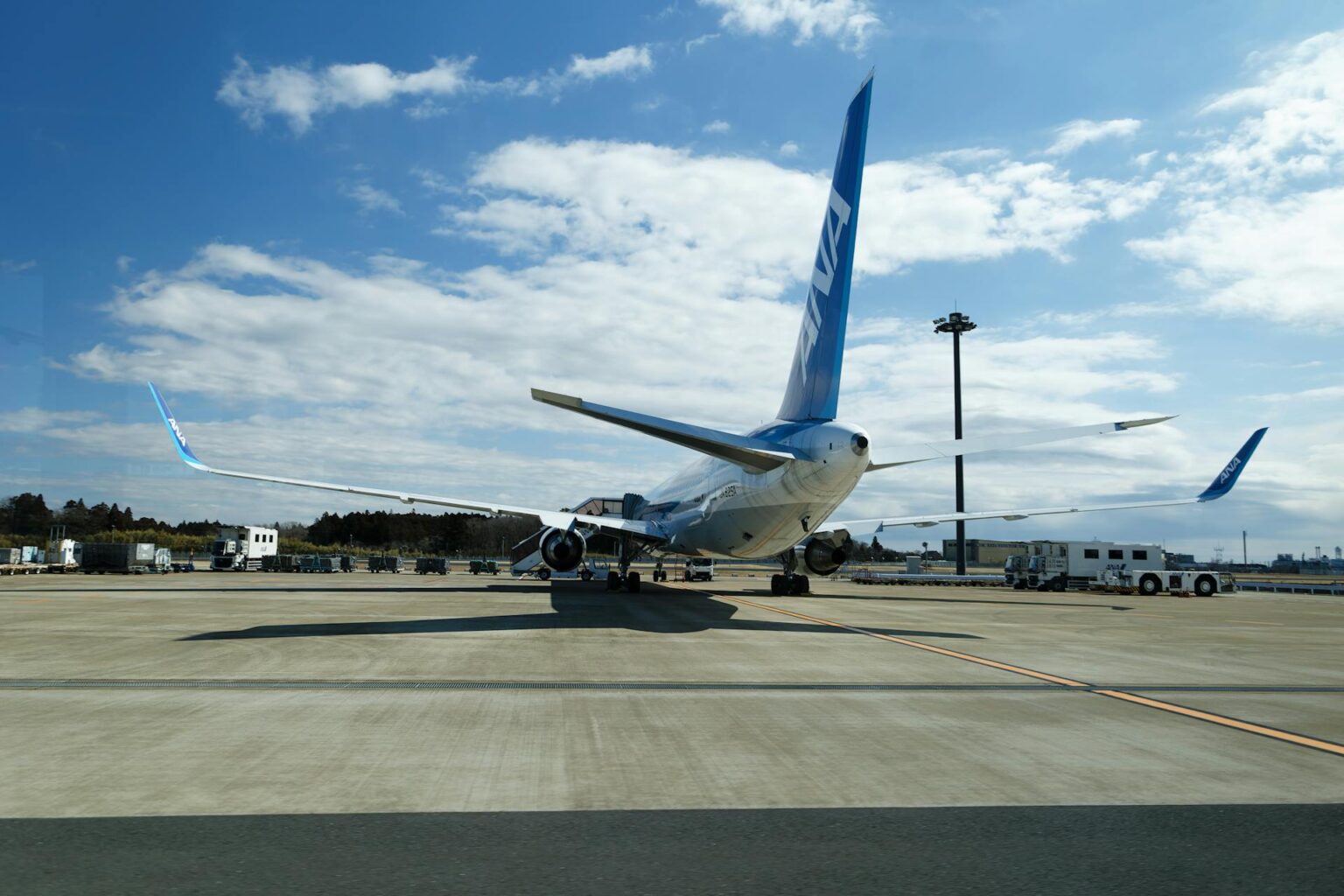
The aviation industry stands at a fascinating crossroads, constantly pushing the boundaries of what’s possible in air travel and logistics. As passenger numbers continue to climb and global air cargo volumes expand, the efficiency and safety of ground operations become ever more critical. It’s no longer enough to simply move things from A to B; the demand is for intelligent, seamless, and sustainable movement. This is where the concept of ‘smart’ material handling truly comes into its own, promising to revolutionise how airports and airlines operate.
For decades, the backbone of airport operations has been robust, albeit often manual, aircraft material handling equipment. From baggage tugs to cargo loaders, these machines have performed their duties diligently. However, the complexities of modern aviation – tighter turnaround times, increased security protocols, and a growing emphasis on environmental responsibility – necessitate a significant evolution. We are now on the cusp of a transformative period, where technology is not just assisting but actively shaping the future of ground support. By 2026, we anticipate a profound shift towards integrated, data-driven, and automated systems that will redefine efficiency and safety standards across the board.
This article will delve into the most compelling smart material handling trends poised to reshape the aviation sector over the next few years. We’ll explore how advancements in automation, data analytics, and sustainable practices are converging to create a more intelligent operational environment. From the foundational role of existing equipment to the cutting-edge applications of AI and robotics, we’ll examine the innovations that are set to elevate aviation logistics, ensuring that the industry remains agile, responsive, and ready for the challenges and opportunities that lie ahead.
The Foundational Role of Aircraft Material Handling Equipment and Emerging Challenges
Before we look to the future, it’s important to appreciate the current landscape of aircraft material handling equipment. This category encompasses a vast array of machinery essential for every aspect of ground operations, from the moment an aircraft lands until it departs. Think of the baggage conveyor systems, the high-loaders for cargo, the pushback tugs, and the specialised equipment used for maintenance and catering. These pieces of equipment are the unsung heroes, working tirelessly to ensure smooth turnarounds and the safe movement of everything from passenger luggage to critical aircraft components.
However, the traditional approach to material handling, while effective, faces growing pressures. The sheer volume and diversity of items that need to be moved present significant operational complexities. Passenger baggage, often arriving in unpredictable surges, requires rapid sorting and loading. Air cargo, ranging from small parcels to oversized industrial components, demands precise handling and secure storage. Maintenance parts, some incredibly delicate and expensive, need careful tracking and delivery to the right bay at the right time. The reliance on manual labour for many of these tasks introduces variables such as human error, fatigue, and the potential for injury, all of which can lead to delays and increased costs.
Moreover, the operational environment itself presents challenges. Airports are bustling, dynamic spaces with strict safety regulations. Coordinating numerous pieces of equipment and personnel in close proximity to active aircraft requires meticulous planning and constant vigilance. The increasing pressure from airlines to reduce turnaround times, coupled with the exponential growth in passenger numbers and air cargo volumes, means that any inefficiency in material handling can have a cascading effect, impacting schedules, customer satisfaction, and profitability. This growing demand highlights the urgent need for innovation and more intelligent solutions within the realm of aircraft material handling equipment, pushing the industry towards smarter, more integrated systems.
Automation and Robotics: Reshaping Aviation Logistics
The move towards automation and robotics is perhaps the most visible and impactful trend in modern aviation logistics. We are witnessing a significant transformation in how ground operations are conducted, moving away from purely manual processes to systems where machines play an increasingly prominent role. This shift is not merely about replacing human labour; it’s about enhancing precision, speed, and safety in an environment where every second and every movement counts.
Automated Guided Vehicles (AGVs) are becoming a common sight in modern airport environments, particularly in baggage handling and cargo facilities. These intelligent vehicles can transport luggage, ULDs (Unit Load Devices), and other materials along predefined paths or dynamically adjusted routes, reducing the need for human-driven tugs and carts. They operate with remarkable accuracy, minimising the risk of collisions and misdirection. Similarly, robotic baggage loaders are being trialled and implemented, capable of lifting and placing bags into aircraft holds with greater consistency and less physical strain on ground staff. These systems can work continuously, unaffected by shift changes or fatigue, thereby significantly improving throughput during peak times.
Beyond baggage, automated cargo systems are revolutionising how freight is processed. From automated storage and retrieval systems (AS/RS) in large cargo warehouses to robotic arms that can sort and palletise diverse items, these aviation logistics automation solutions are streamlining the entire cargo chain. The benefits are multifaceted: increased operational speed, reduced instances of damage to goods, lower labour costs, and a substantial improvement in workplace safety by removing personnel from hazardous areas. The integration of these automated systems often involves sophisticated software that optimises routes, manages inventory, and predicts potential bottlenecks, ensuring a fluid and efficient flow of materials.
While the benefits are clear, the integration of these advanced systems does come with its own set of challenges, including the initial capital investment, the need for skilled technicians to maintain and operate the technology, and ensuring interoperability with existing infrastructure. However, the long-term gains in efficiency, reliability, and safety make these investments increasingly justifiable. For a deeper look into how these technologies are changing the game, consider reading about Revolutionizing Aviation Aircraft Material Handling Equipment, which provides further context on these transformative developments.
Data-Driven Operations and Predictive Maintenance for GSE
In the modern era, data is often referred to as the new oil, and in aviation material handling, it’s proving to be an incredibly potent fuel for efficiency and reliability. The integration of Internet of Things (IoT) sensors into ground support equipment (GSE) and material handling systems is generating a wealth of real-time data. These sensors can monitor everything from the operational status of a baggage tug to the temperature of a cargo hold, the location of a specific ULD, or the wear and tear on a loader’s hydraulic system.
This constant stream of data allows for unprecedented visibility into ground operations. Airport managers and logistics teams can track the precise location of every piece of equipment and every item of cargo, optimising routes, allocating resources more effectively, and responding swiftly to any deviations or delays. For instance, if a particular piece of GSE is experiencing higher-than-average fuel consumption or unusual vibrations, the system can flag this immediately, allowing for proactive intervention rather than reactive repairs.
This leads directly to one of the most significant advancements: predictive maintenance. Instead of adhering to rigid, time-based maintenance schedules or waiting for equipment to fail (which can cause costly operational disruptions), data analytics can predict when a component is likely to need servicing or replacement. By analysing patterns in sensor data – such as engine performance, battery health, or tyre pressure – maintenance teams can schedule interventions precisely when they are needed, minimising downtime and extending the operational life of valuable assets. This proactive approach is a cornerstone of airport ground support equipment innovation, ensuring that equipment is always in optimal condition, thereby enhancing both efficiency and safety.
The application of data extends beyond maintenance. It enables sophisticated operational planning, allowing airports to simulate different scenarios, identify potential bottlenecks before they occur, and optimise staffing levels based on predicted demand. This data-driven decision-making transforms material handling from a reactive process into a highly strategic and optimised operation, making every movement more purposeful and every resource more effectively utilised.
Sustainable Practices and Green Technologies in Aviation Material Handling
As the global focus on environmental responsibility intensifies, the aviation industry is under increasing pressure to reduce its carbon footprint. This imperative extends far beyond the aircraft themselves, reaching deep into ground operations and material handling. The adoption of sustainable practices and green technologies is no longer just a ‘nice-to-have’ but a fundamental requirement for modern airports and airlines, driving significant changes in the type of equipment purchased and how operations are managed.
One of the most prominent trends is the widespread shift towards electric and hybrid ground support equipment. Historically, GSE has been powered predominantly by diesel engines, contributing to air pollution and noise levels on the apron. New generations of electric baggage tugs, cargo loaders, pushback tractors, and passenger stairs are now available, offering zero direct emissions, significantly reduced noise pollution, and often lower operating costs due due to cheaper electricity compared to fuel, and fewer moving parts requiring maintenance. Airports are investing heavily in charging infrastructure, and manufacturers are developing batteries with longer ranges and faster charging capabilities, making electric GSE a viable and attractive option for continuous operation.
Beyond the equipment itself, sustainability is being integrated into the design and operation of material handling facilities. This includes energy-efficient lighting and climate control systems in cargo warehouses, the use of renewable energy sources (like solar panels on terminal roofs or cargo facility buildings), and advanced waste management and recycling programmes. The goal is to minimise the environmental impact of the entire material handling ecosystem, from the energy consumed by conveyor belts to the disposal of packaging materials.
Furthermore, optimised routing and intelligent scheduling, facilitated by the data-driven systems discussed earlier, contribute to sustainability by reducing unnecessary equipment movements and idling times, thereby conserving energy and fuel. This holistic approach to sustainability not only helps airports meet regulatory requirements and corporate social responsibility goals but also offers tangible economic benefits through reduced energy consumption and lower operational expenses. It also significantly improves the working environment for ground staff and the overall experience for passengers and local communities.
The Future of Aircraft Cargo Handling: AI, Digital Twins, and Advanced Robotics
Looking ahead to 2026 and beyond, the future of aircraft cargo handling promises to be even more sophisticated, driven by the convergence of Artificial Intelligence (AI), digital twin technology, and increasingly advanced robotics. These technologies are set to create an operational environment that is not only highly automated but also intelligent, adaptive, and predictive, pushing the boundaries of what’s currently possible.
Artificial Intelligence will play a transformative role in optimising complex logistics chains. AI algorithms can analyse vast datasets – including flight schedules, weather patterns, cargo types, and equipment availability – to make real-time decisions that maximise efficiency and minimise delays. For instance, AI can dynamically re-route cargo within a facility to avoid congestion, predict potential bottlenecks in the loading process, or even suggest optimal loading configurations for aircraft to improve weight distribution and fuel efficiency. This level of intelligent orchestration will be crucial for managing the ever-growing complexity of global air freight.
Digital twin technology is another game-changer. A digital twin is a virtual replica of a physical system, process, or asset. In the context of aircraft cargo handling, this could mean a digital twin of an entire cargo terminal, a specific piece of handling equipment, or even the loading process for a particular aircraft. These digital models, fed with real-time data from sensors, allow operators to simulate various scenarios, test new operational strategies, and predict the impact of changes without disrupting actual operations. It’s an invaluable tool for training, troubleshooting, and continuous optimisation, enabling airports to refine their processes in a risk-free virtual environment before implementing them physically.
Advanced robotics will continue to evolve, moving beyond simple repetitive tasks. We can anticipate robots with enhanced dexterity and perception capabilities, capable of handling a wider variety of cargo shapes and sizes, including delicate or unusually shaped items. Collaborative robots (cobots) will work alongside human operators, assisting with heavy lifting or intricate sorting tasks, thereby improving both productivity and safety. The vision for the future of aircraft cargo handling includes fully autonomous ground operations, where AI-driven robots and AGVs manage the entire cargo flow from warehouse to aircraft, with human oversight focused on strategic management and exception handling. For those keen to understand the intricacies of current and future cargo handling, a comprehensive resource like Mastering Air Cargo Essential Handling Equipment Guide offers excellent foundational knowledge.
Frequently Asked Questions
What are the main benefits of smart material handling in aviation?
The primary benefits include significantly improved operational efficiency, leading to faster aircraft turnarounds and reduced delays. There’s also a substantial enhancement in safety for both personnel and cargo, as automation reduces manual handling and the risk of human error. Furthermore, smart systems contribute to cost savings through optimised resource allocation, predictive maintenance, and reduced fuel/energy consumption, alongside a positive impact on environmental sustainability.
How will automation impact jobs in aviation ground operations?
While automation will undoubtedly change the nature of some roles, it’s more likely to lead to a transformation of the workforce rather than outright job losses. Many repetitive, physically demanding, or hazardous tasks will be taken over by machines, allowing human staff to transition into roles that require oversight, maintenance of automated systems, data analysis, and more complex problem-solving. There will be a growing demand for skilled technicians and engineers capable of managing and programming these advanced technologies.
What are the biggest challenges to adopting these new technologies?
Key challenges include the substantial initial capital investment required for new equipment and infrastructure, the complexity of integrating new systems with existing legacy infrastructure, and the need for extensive training and upskilling of the workforce. Cybersecurity concerns are also paramount, as highly connected systems present new vulnerabilities. Additionally, regulatory frameworks need to adapt to accommodate these rapidly evolving technologies.
Conclusion
The aviation industry is on the cusp of a profound transformation in how it manages ground operations and material handling. The trends we’ve explored – from the widespread adoption of automation and robotics to the power of data-driven decision-making, and the imperative of sustainable practices – are not isolated developments but interconnected facets of a larger shift towards intelligent, integrated systems. By 2026, the landscape of aircraft material handling equipment will look considerably different, characterised by greater efficiency, enhanced safety, and a significantly reduced environmental footprint.
Airports and airlines that embrace these smart material handling trends will be better positioned to meet the escalating demands of global air travel and cargo logistics. The ability to process passengers and freight with greater speed and accuracy, while simultaneously reducing operational costs and environmental impact, will be a defining competitive advantage. This evolution is not merely about upgrading machinery; it’s about rethinking entire operational paradigms, fostering a culture of continuous improvement, and investing in the technologies and skills that will shape the future of aviation.
The journey towards fully intelligent ground operations is ongoing, but the direction is clear. By leveraging these advancements, the aviation sector can ensure it remains at the forefront of global connectivity, delivering seamless, safe, and sustainable services for decades to come. The future of aviation material handling is not just smart; it’s essential for the industry’s continued growth and success.
Explore Revolutionizing Aviation: Aircraft Material Handling Equipment: https://adaptgse.com/industry-news/revolutionizing-aviation-aircraft-material-handling-equipment/
Explore Mastering Air Cargo: Essential Handling Equipment Guide: https://adaptgse.com/industry-news/mastering-air-cargo-essential-handling-equipment-guide/
Explore Ground Support Equipment at Birmingham Airport: Efficiency & Safety: https://adaptgse.com/industry-news/ground-support-equipment-at-birmingham-airport-efficiency-safety/
Update On 19 Oct 2026
As we explored the evolving landscape of private aviation ground handling, we looked into how the sector is tackling persistent bottlenecks by 2026. We examined the integration of automated guided vehicles (AGVs) and IoT-driven predictive maintenance to streamline operations. Furthermore, we evaluated how enterprise CEOs and decision-makers at airlines and airports can drastically improve baggage handling efficiency and overall airport ground handling efficiency. We encourage our readers to monitor how these emerging tech paradigms and green GSE initiatives will redefine operational safety and throughput across global hubs.