
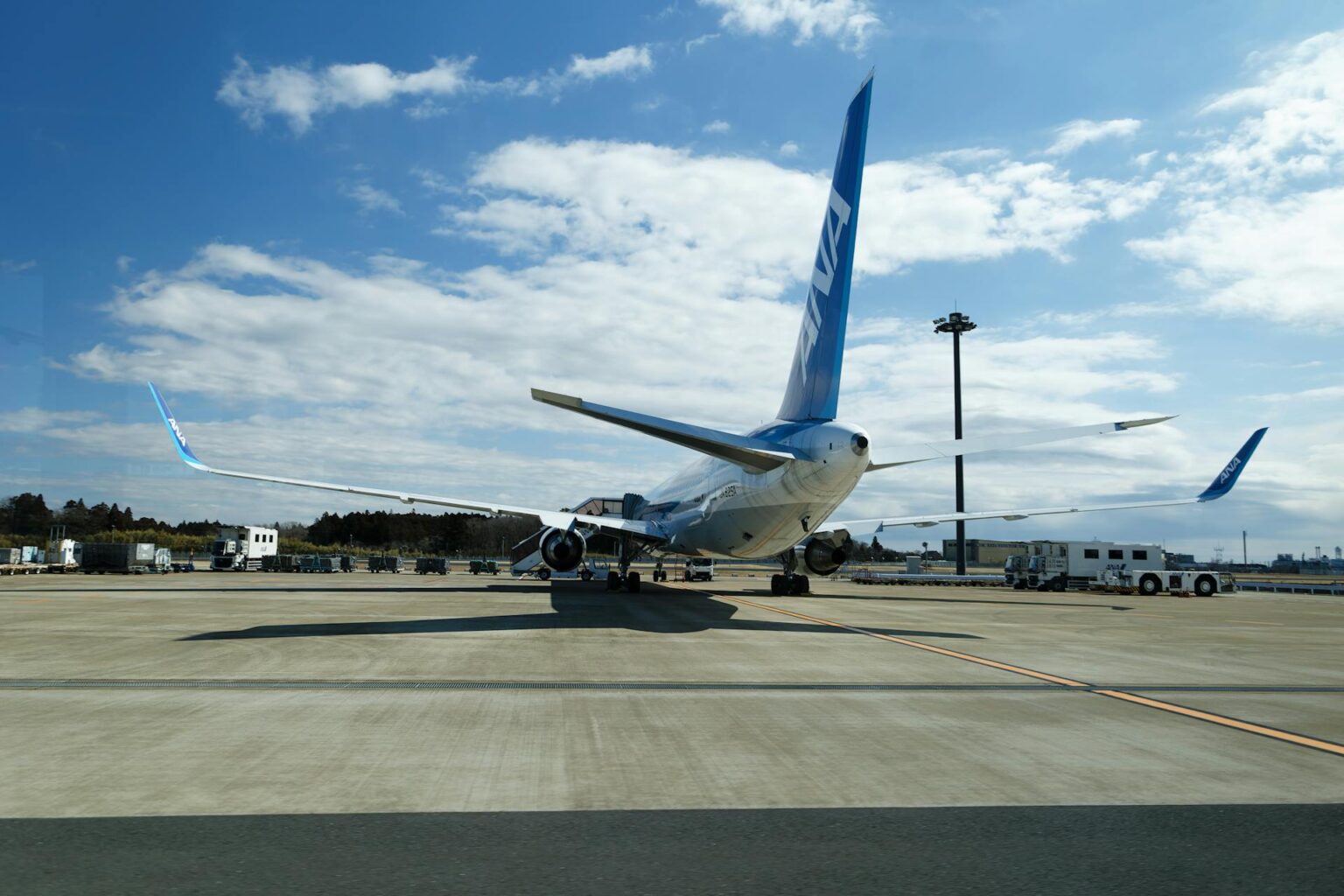
The global air cargo industry stands on the precipice of significant transformation, driven by escalating e-commerce demands, evolving supply chain complexities, and an unwavering pursuit of operational efficiency. The imperative for robust, reliable, and technologically advanced aircraft loading equipment is clearer than ever. This isn’t merely about moving goods from point A to point B; it’s about precision, speed, safety, and sustainability, all converging to redefine the benchmarks of air logistics.
The future of air cargo operations hinges on the capabilities of the ground support equipment (GSE) that underpins every flight. From the moment cargo arrives at the terminal to its secure placement within an aircraft’s hold, each step demands specialised machinery designed for specific tasks and aircraft types. The coming years will witness a heightened focus on integrating smart technologies, automation, and environmentally conscious designs into this critical infrastructure. This article delves into the essential loading gear that will shape air cargo operations, exploring how advancements in machinery, processes, and safety protocols are setting the stage for a more streamlined and effective future.
Understanding the nuances of modern aircraft loading equipment is paramount for airport operators, cargo handlers, and logistics professionals alike. It’s about staying ahead of the curve, ensuring that infrastructure and equipment not only meet current demands but are also future-proofed against the challenges and opportunities that lie ahead. We will examine the core components of a modern loading fleet, the innovations driving efficiency, and the non-negotiable emphasis on safety that underpins all successful air cargo movements.
The Evolving Landscape of Air Cargo Operations
The air cargo sector is a dynamic environment, constantly adapting to global economic shifts, technological progress, and changing consumer expectations. Several key trends are shaping the requirements for aircraft loading equipment and the broader ground support ecosystem. The demand for faster delivery times, particularly for e-commerce, continues to surge, placing immense pressure on turnaround times and the efficiency of ground operations. Simultaneously, there’s a growing global consciousness regarding environmental impact, pushing the industry towards greener solutions.
The Revolutionizing Aviation Aircraft Material Handling Equipment is not just a concept but a tangible reality, with innovations continually reshaping how cargo is managed on the tarmac. This evolution necessitates a proactive approach to equipment acquisition and operational strategy, ensuring that facilities are equipped to handle the increasing volume and diversity of cargo types, from delicate pharmaceuticals to oversized industrial components.
Increased Volume and Speed Demands
The sheer volume of air cargo is projected to continue its upward trajectory. This growth is not uniform; it includes a significant increase in smaller, time-sensitive parcels alongside traditional freight. This necessitates loading equipment that can handle a wider range of Unit Load Devices (ULDs) and bulk cargo with greater agility and speed. Every minute saved during aircraft loading and unloading directly translates to reduced turnaround times, allowing airlines to maximise aircraft utilisation and meet tight schedules. The pressure to expedite operations without compromising safety or cargo integrity is a defining characteristic of the operational environment.
Sustainability Imperatives
Environmental concerns are no longer an afterthought but a central consideration in aviation. Airports and ground handlers are under increasing pressure to reduce their carbon footprint. This directly impacts the design and power sources of aircraft loading equipment. The shift towards electric, hybrid, and even hydrogen-powered GSE is accelerating, driven by regulatory mandates, corporate social responsibility, and the economic benefits of reduced fuel consumption and maintenance. Investing in sustainable equipment is not just about compliance; it’s about future-proofing operations and contributing to a greener aviation industry.
Technological Advancements
Technology is the engine of progress in air cargo. From advanced telematics and IoT sensors providing real-time data on equipment performance to semi-autonomous loading systems, the integration of digital solutions is transforming ground operations. These advancements promise not only greater efficiency but also enhanced safety and predictive maintenance capabilities. The future of aircraft ground support equipment is intrinsically linked to its ability to communicate, analyse, and automate, moving towards a more intelligent and interconnected operational environment.
Core Aircraft Loading Equipment
At the heart of any efficient air cargo operation lies a sophisticated array of aircraft loading equipment. These machines are the workhorses of the tarmac, each designed for specific tasks and aircraft configurations. While the fundamental principles remain, the equipment itself will feature enhanced capabilities, improved ergonomics, and greater integration with digital systems. Understanding the role and advancements of each type is crucial for optimising cargo flow and ensuring operational excellence. For a deeper dive into the various tools, consider consulting a Mastering Air Cargo Essential Handling Equipment Guide.
Main Deck Loaders and Lower Deck Loaders
These are arguably the most visible and critical pieces of loading equipment. Main deck loaders, often massive in scale, are designed to lift and transfer ULDs to the main cargo deck of wide-body aircraft. Lower deck loaders, while smaller, perform the equally vital task of loading cargo into the aircraft’s belly compartments. These loaders will feature:
- Increased Lifting Capacity and Reach: To accommodate larger ULDs and the growing dimensions of modern cargo aircraft.
- Precision Control Systems: Advanced joysticks and automated alignment features to minimise the risk of aircraft damage and improve loading accuracy.
- Enhanced Safety Features: Integrated obstacle detection, anti-collision systems, and improved operator visibility.
- Electric and Hybrid Power Options: Reducing emissions and noise pollution on the apron, aligning with sustainability goals.
The precision required for these operations cannot be overstated. A slight misalignment can cause significant delays or, worse, damage to the aircraft or cargo. Modern loaders incorporate sophisticated sensors and feedback systems to guide operators, making the process smoother and safer.
Cargo Dollies and Pallet/Container Trailers
Once ULDs are offloaded or prepared for loading, they need to be transported efficiently across the apron. This is where cargo dollies and pallet/container trailers come into play. These non-motorised units are towed by tugs and are essential for the rapid movement of cargo between the terminal, staging areas, and the aircraft. Key developments include:
- Modular and Adaptable Designs: Allowing for quick reconfiguration to handle different ULD sizes and types.
- Improved Braking Systems: Enhancing safety, especially when operating on busy aprons or inclines.
- Durable, Lightweight Materials: Reducing wear and tear, improving fuel efficiency for tugs, and extending equipment lifespan.
- Smart Tracking Integration: RFID or GPS tags on dollies and trailers to provide real-time location data, improving inventory management and reducing search times.
The efficiency of these seemingly simple pieces of equipment is critical to the overall flow of cargo. Bottlenecks at this stage can ripple through the entire operation, delaying aircraft departures.
Forklifts and Specialised Material Handlers
While loaders handle ULDs directly onto the aircraft, forklifts and other specialised material handlers are indispensable for moving bulk cargo, odd-sized freight, and individual packages within the cargo terminal and to and from dollies. These machines will see:
- Electric and Hydrogen Fuel Cell Variants: Particularly for indoor terminal operations, eliminating emissions and reducing noise.
- Advanced Telematics: Monitoring usage, battery life, and maintenance needs to optimise fleet management.
- Ergonomic Operator Cabs: Improving comfort and reducing fatigue for operators during long shifts.
- Attachments for Specific Cargo: Specialised clamps, rotators, and extendable forks to handle diverse cargo types safely and efficiently.
The versatility of forklifts makes them a cornerstone of cargo handling, and their evolution towards smarter, cleaner, and more adaptable designs is a significant trend.
Unit Load Devices (ULDs) – The Unsung Heroes
While not strictly loading equipment, ULDs are integral to the loading process. These containers and pallets are designed to fit precisely into aircraft cargo holds, allowing for efficient packing and rapid loading/unloading. Innovations in ULDs include:
- Lightweight Composite Materials: Reducing overall aircraft weight and fuel consumption.
- Integrated Sensors: Monitoring temperature, humidity, and shock for sensitive cargo, providing real-time data throughout transit.
- Smart Tracking: Enhancing visibility of cargo location and status within the supply chain.
- Improved Security Features: Tamper-evident seals and advanced locking mechanisms.
The synergy between ULD design and loading equipment capabilities is fundamental to achieving optimal operational efficiency and cargo integrity.
Innovations Driving Airport Cargo Handling Solutions
The landscape of air cargo is undergoing a profound transformation, with technological innovations at the forefront of shaping airport cargo handling solutions. These advancements are not just incremental improvements but often represent fundamental shifts in how cargo is managed, moved, and monitored. The drive for greater efficiency, enhanced safety, and reduced environmental impact is accelerating the adoption of cutting-edge technologies across the ground handling spectrum. The future of aircraft ground support equipment is intrinsically linked to these innovations, promising a more intelligent and interconnected operational environment.
Automation and Robotics in Loading
Automation is no longer a futuristic concept but a present-day reality in many industries, and air cargo is rapidly catching up. We anticipate a significant increase in the deployment of automated and robotic solutions for various loading tasks. This includes:
- Automated Guided Vehicles (AGVs): For transporting ULDs and bulk cargo within terminals and across aprons, reducing reliance on human-driven tugs and dollies. These systems can follow pre-programmed routes, optimising traffic flow and minimising human error.
- Robotic Palletising and Depalletising Systems: In cargo warehouses, robots are increasingly used to build and break down ULDs, improving speed and accuracy while reducing manual labour and associated injury risks.
- Semi-Autonomous Loaders: While fully autonomous aircraft loaders are still some way off for direct aircraft interface due to safety complexities, semi-autonomous systems are emerging. These assist operators with precise positioning, obstacle avoidance, and automated sequence execution, thereby enhancing the safe operation of aircraft loaders and reducing the potential for human error.
- Automated Storage and Retrieval Systems (AS/RS): Within cargo facilities, these systems efficiently manage the storage and retrieval of ULDs and individual packages, optimising space utilisation and access times.
The integration of these automated systems promises not only faster processing times but also a more consistent and predictable operation, crucial for meeting tight flight schedules.
Data Analytics and Predictive Maintenance
The digital revolution is providing ground handlers with unprecedented access to data. Modern aircraft loading equipment is increasingly fitted with sensors that collect vast amounts of operational data, from engine performance and fuel consumption to hydraulic pressure and component wear. This data, when analysed effectively, offers powerful insights:
- Predictive Maintenance: Instead of reactive repairs or time-based maintenance, data analytics allows for the prediction of potential equipment failures before they occur. This enables proactive scheduling of maintenance, reducing unexpected downtime, extending equipment lifespan, and ensuring equipment availability when needed.
- Operational Optimisation: Analysing usage patterns, loading times, and equipment movements can identify bottlenecks, inefficiencies, and areas for process improvement. This leads to better resource allocation and more streamlined workflows.
- Safety Monitoring: Data can highlight operational anomalies or risky behaviours, allowing for targeted training interventions and improvements in safety protocols.
This data-driven approach transforms maintenance from a cost centre into a strategic asset, ensuring maximum uptime and operational reliability.
Electric and Hybrid Ground Support Equipment (GSE)
The push for sustainability is driving a rapid transition towards electric and hybrid power sources for all GSE, including aircraft loading equipment. Electric and hybrid loaders, tugs, and forklifts will be commonplace at many airports:
- Reduced Emissions: Eliminating direct carbon emissions and improving air quality on the apron, a significant benefit for airport staff and local communities.
- Lower Noise Pollution: Electric motors are significantly quieter, creating a more pleasant working environment and reducing noise impact on surrounding areas.
- Lower Operating Costs: While initial investment can be higher, electric GSE typically has lower fuel (electricity) costs and reduced maintenance requirements due to fewer moving parts compared to internal combustion engines.
- Improved Performance: Electric motors often provide instant torque, which can be advantageous for heavy lifting and towing applications.
The development of faster charging infrastructure and longer-lasting battery technologies is making electric GSE an increasingly viable and attractive option for continuous operations.
Advanced Safety Systems
Safety remains the paramount concern in air cargo operations. Innovations in safety systems for aircraft loading equipment are continuously being developed to protect personnel, aircraft, and cargo. These include:
- Anti-Collision Technology: Radar, LiDAR, and ultrasonic sensors integrated into loaders and other GSE to detect obstacles and prevent collisions with aircraft, other vehicles, and personnel. These systems can provide warnings or even initiate automatic braking.
- Enhanced Operator Visibility: High-definition cameras with 360-degree views, night vision capabilities, and augmented reality overlays to give operators a comprehensive understanding of their surroundings, especially in challenging weather or low-light conditions.
- Telematics for Operator Behaviour Monitoring: Systems that monitor operator driving patterns, speed, and adherence to safety protocols, providing data for training and risk mitigation.
- Remote Monitoring and Diagnostics: Allowing technicians to diagnose issues with equipment remotely, reducing the need for on-site inspections and speeding up repair times, which indirectly contributes to safety by ensuring equipment is always in optimal working order.
These advanced safety systems are critical for ensuring the safe operation of aircraft loaders and other GSE, minimising incidents, and protecting valuable assets.
Ensuring Safe Operation of Aircraft Loaders
Safety is not merely a consideration; it is the absolute bedrock of air cargo operations. The sheer scale of aircraft, the weight of cargo, and the complexity of ground movements mean that any lapse in safety protocols can have catastrophic consequences, both in terms of human injury and financial loss. Therefore, ensuring the safe operation of aircraft loaders and all associated ground support equipment is a continuous, multi-faceted endeavour that requires rigorous standards, ongoing training, and the integration of advanced technologies. The emphasis on safety will only intensify, driven by regulatory bodies, industry best practices, and the inherent responsibility of all stakeholders.
Training and Certification Standards
The human element remains central to safe operations, even with increasing automation. Highly skilled and well-trained operators are the first line of defence against incidents. Training and certification programmes for aircraft loading equipment operators will become even more sophisticated:
- Simulator-Based Training: Providing realistic, risk-free environments for operators to practice complex manoeuvres, emergency procedures, and handling various aircraft types and ULDs. This allows for skill development without putting actual equipment or aircraft at risk.
- Continuous Professional Development: Regular refresher courses, updates on new equipment features, and training on evolving safety protocols are essential. The industry is dynamic, and operator knowledge must keep pace.
- Standardised Certification: Adherence to internationally recognised certification standards ensures a baseline level of competency and understanding of best practices across different airports and handling companies. This includes specific certifications for different types of loaders and specialised tasks.
- Focus on Human Factors: Training will increasingly incorporate elements of human factors, addressing issues such as fatigue management, situational awareness, communication protocols, and decision-making under pressure.
A well-trained workforce is an investment that pays dividends in safety, efficiency, and reduced operational risk.
Equipment Maintenance and Inspection Protocols
Even the most advanced aircraft loading equipment is only as safe as its maintenance regime. Regular, thorough maintenance and inspection are non-negotiable for preventing mechanical failures that could lead to accidents. Maintenance protocols will be:
- Predictive and Proactive: Moving beyond scheduled maintenance to condition-based monitoring, utilising data analytics from onboard sensors to predict potential failures before they occur. This allows for timely intervention and minimises unexpected breakdowns.
- Digitalised Maintenance Records: Comprehensive digital logs of all maintenance activities, inspections, and repairs, providing a complete history of each piece of equipment. This aids in compliance, troubleshooting, and asset management.
- Regular Safety Checks: Daily pre-operation checks by operators, weekly detailed inspections by supervisors, and periodic comprehensive overhauls by certified technicians are critical. These checks cover everything from hydraulic systems and braking mechanisms to emergency stops and warning lights.
- Adherence to Manufacturer Guidelines: Strict compliance with the equipment manufacturer’s recommended maintenance schedules and procedures is fundamental to ensuring the equipment operates within its design parameters.
A robust maintenance programme ensures that equipment is always in optimal working condition, directly contributing to the safe operation of aircraft loaders.
Operational Procedures and Best Practices
Standardised operational procedures (SOPs) and adherence to best practices are vital for coordinating complex ground movements and minimising risks. These procedures cover every aspect of cargo handling, from marshalling aircraft to the final securing of ULDs. Key areas include:
- Clear Communication Protocols: Establishing unambiguous communication channels between flight crew, ground crew, and air traffic control is paramount. This includes standard phraseology and clear hand signals.
- Apron Safety Rules: Strict enforcement of speed limits, designated pathways, exclusion zones around aircraft, and rules for personnel movement on the apron.
- Load Planning and Distribution: Accurate load planning ensures that cargo is distributed correctly within the aircraft, maintaining balance and structural integrity. This is a critical safety aspect that begins long before the loading process.
- Emergency Response Plans: Well-rehearsed procedures for responding to incidents such as equipment malfunctions, cargo spills, or fires, ensuring a rapid and effective response to mitigate harm.
- Foreign Object Debris (FOD) Prevention: Rigorous FOD checks are essential to prevent small objects from being ingested by aircraft engines or damaging tyres, which can have severe safety implications.
These procedures create a structured and controlled environment, reducing the likelihood of errors and enhancing overall safety.
The Role of Technology in Safety
As discussed in the innovations section, technology plays an increasingly significant role in bolstering safety. Advanced safety systems integrated into aircraft loading equipment act as an additional layer of protection:
- Proximity Sensors and Anti-Collision Systems: Providing real-time alerts and, in some cases, automatic braking to prevent collisions with aircraft or other GSE.
- Enhanced Visibility Aids: Cameras, mirrors, and lighting systems that improve the operator’s view, especially in blind spots or adverse weather conditions.
- Telematics for Behavioural Monitoring: Systems that track operator performance and identify risky driving behaviours, allowing for targeted coaching and intervention.
- Automated Pre-Checks: Some modern equipment can perform self-diagnostics before operation, alerting operators to potential issues before they become critical.
By combining rigorous training, meticulous maintenance, stringent operational procedures, and cutting-edge technology, the air cargo industry can continue to uphold its impeccable safety record while meeting the growing demands.
The Economic Impact and ROI of Modern Loading Gear
Investing in advanced aircraft loading equipment for operations is not merely an operational necessity; it is a strategic business decision with significant economic implications and a clear return on investment (ROI). While the initial capital outlay for state-of-the-art ground support equipment can be substantial, the long-term benefits in terms of efficiency, cost savings, and enhanced service quality far outweigh these expenditures. Airports and ground handling companies that prioritise modern, efficient, and safe equipment position themselves for sustained growth and competitiveness in a demanding market.
For those considering how to best acquire and manage their fleet, a resource like the Maximize Efficiency Airport Ground Handling Equipment Rental Guide can offer valuable perspectives on procurement strategies, including the benefits of rental versus purchase, to optimise financial outlay and operational flexibility.
Operational Efficiency and Cost Reduction
Modern aircraft loading equipment is designed to perform tasks faster, more accurately, and with fewer resources. This directly translates into tangible cost reductions:
- Reduced Labour Costs: Automated or semi-automated systems require fewer personnel or allow existing staff to be redeployed to other critical tasks. Even non-automated modern equipment often features ergonomic designs and intuitive controls that reduce operator fatigue and improve productivity per person.
- Lower Fuel/Energy Consumption: The shift towards electric and hybrid GSE significantly reduces reliance on fossil fuels, leading to substantial savings on fuel costs, especially with fluctuating global oil prices. Electric equipment also often benefits from lower electricity tariffs during off-peak hours.
- Decreased Maintenance Expenses: New equipment typically comes with extended warranties and is built with more durable components. Furthermore, predictive maintenance capabilities, enabled by onboard diagnostics and data analytics, allow for proactive servicing, preventing costly breakdowns and extending the lifespan of the equipment. This reduces both parts and labour costs associated with unexpected repairs.
- Optimised Resource Utilisation: Telematics and fleet management systems provide real-time data on equipment usage, allowing operators to optimise deployment, reduce idle times, and ensure that equipment is always available where and when it is needed most. This maximises the utility of each asset.
These efficiencies compound over time, contributing significantly to the bottom line of ground handling operations.
Reduced Aircraft Turnaround Times
In the highly competitive airline industry, every minute an aircraft spends on the ground is a minute it isn’t generating revenue. Rapid aircraft turnaround times (TAT) are therefore a critical performance indicator. Modern aircraft loading equipment plays a pivotal role in achieving this:
- Faster Loading/Unloading Cycles: Advanced loaders with higher lifting capacities, greater precision, and improved speed can significantly cut down the time required to load and unload ULDs. Automated systems further accelerate this process.
- Seamless Cargo Flow: Efficient cargo dollies, trailers, and internal terminal handling systems ensure that cargo moves smoothly from the staging area to the aircraft and vice-versa, eliminating bottlenecks and delays.
- Reduced Damage Incidents: Precision controls and advanced safety features on modern equipment minimise the risk of damage to both the aircraft and the cargo. Avoiding damage means avoiding costly repairs, insurance claims, and further delays associated with incident investigation and resolution.
By shaving minutes off each turnaround, airlines can schedule more flights, improve on-time performance, and enhance their reputation for reliability, all of which have direct economic benefits.
Minimising Damage and Maximising Cargo Integrity
The value of air cargo can range from high-value electronics and pharmaceuticals to perishable goods. Protecting this cargo from damage is paramount, not just for customer satisfaction but also for avoiding costly claims and reputational harm. Modern aircraft loading equipment contributes to cargo integrity in several ways:
- Precision Handling: Advanced controls and automated features reduce the likelihood of human error during loading and unloading, which is a common cause of cargo damage.
- Gentle Movement: Equipment designed with smooth acceleration/deceleration and stable platforms ensures that cargo, especially sensitive items, is handled with care throughout its journey on the apron.
- Integrated Safety Features: Anti-collision systems and improved visibility prevent accidental impacts that could damage ULDs or their contents.
- Temperature Control: Some specialised equipment and ULDs offer temperature-controlled environments, critical for pharmaceuticals and perishables, ensuring cargo integrity from tarmac to hold.
The reduction in cargo damage claims and the ability to handle a wider range of sensitive and high-value goods with confidence directly contribute to a stronger financial position and a better service offering for air cargo operators.
In summary, the investment in modern aircraft loading equipment is a strategic imperative. It drives operational efficiency, reduces costs, accelerates turnaround times, and safeguards cargo, all of which contribute to a robust ROI and a competitive edge in the evolving air cargo market.
FAQs
What is the primary driver for new aircraft loading equipment?
The primary drivers are the increasing volume of e-commerce cargo, the demand for faster turnaround times, and the industry’s push for greater sustainability and automation. These factors necessitate more efficient, precise, and environmentally friendly loading solutions.
How does automation impact the safe operation of aircraft loaders?
Automation, particularly semi-autonomous systems and advanced safety features like anti-collision technology, significantly enhances safety by reducing the potential for human error, improving precision, and providing operators with better situational awareness. While it reduces manual intervention, human oversight and training remain crucial.
What are the key sustainability trends for airport cargo handling solutions?
The key sustainability trends include the widespread adoption of electric and hybrid ground support equipment (GSE), the use of lighter and more durable materials for ULDs, and the implementation of energy-efficient operational practices and infrastructure at cargo terminals.
Will traditional aircraft loading equipment become obsolete?
No, traditional equipment like main deck loaders, lower deck loaders, dollies, and forklifts will remain essential. However, these machines will be significantly upgraded with advanced features, automation capabilities, electric power options, and integrated safety systems to meet the demands of operations.
What is the role of data analytics in modern aircraft loading operations?
Data analytics plays a crucial role in optimising operations, enabling predictive maintenance for equipment, monitoring safety performance, and identifying inefficiencies in cargo flow. It provides actionable insights that help improve decision-making and resource allocation.
Conclusion
As we navigate the complexities and opportunities of the air cargo industry, it is abundantly clear that the quality and sophistication of aircraft loading equipment will be a defining factor in operational success. The demands for speed, precision, and reliability are escalating, driven by global trade dynamics and the relentless growth of e-commerce. Meeting these demands requires a concerted effort to invest in, innovate, and meticulously manage the ground support equipment that forms the backbone of every air freight movement.
The journey will see a continued evolution of the future of aircraft ground support equipment, characterised by a strong emphasis on automation, electrification, and data-driven intelligence. These advancements are not just about technological prowess; they are about creating more efficient, sustainable, and, critically, safer working environments. The integration of smart technologies into airport cargo handling solutions will streamline processes, reduce operational costs, and significantly enhance the overall capacity and responsiveness of air cargo hubs.
Above all, the commitment to the safe operation of aircraft loaders and all associated ground equipment must remain unwavering. Through rigorous training, proactive maintenance, and the deployment of cutting-edge safety systems, the industry can ensure that the increased pace and complexity of operations do not come at the expense of personnel or asset integrity. The air cargo sector is poised for an exciting period of growth and innovation, and with the right essential loading gear in place, it is well-equipped to meet the challenges and seize the opportunities that lie ahead, ensuring that cargo continues to move swiftly and securely across the globe.
Explore Revolutionizing Aviation: Aircraft Material Handling Equipment: https://adaptgse.com/industry-news/revolutionizing-aviation-aircraft-material-handling-equipment/
Explore Mastering Air Cargo: Essential Handling Equipment Guide: https://adaptgse.com/industry-news/mastering-air-cargo-essential-handling-equipment-guide/
Explore Maximize Efficiency: Airport Ground Handling Equipment Rental Guide: https://adaptgse.com/industry-news/maximize-efficiency-airport-ground-handling-equipment-rental-guide/
Update On 19 Oct 2026
In this article, we explored how the global air cargo industry is undergoing a significant transformation driven by surging e-commerce demands and stricter sustainability targets. We looked into the crucial role that advanced aircraft loading equipment and airport cargo handling solutions play in optimising turnaround times and maintaining operational efficiency. Furthermore, we examined the integration of automation, electric ground support equipment, and predictive maintenance technologies in shaping the future of air cargo equipment. As we navigate these industry shifts, stakeholders must carefully balance technological innovation with rigorous safety protocols to safeguard both personnel and cargo integrity.