
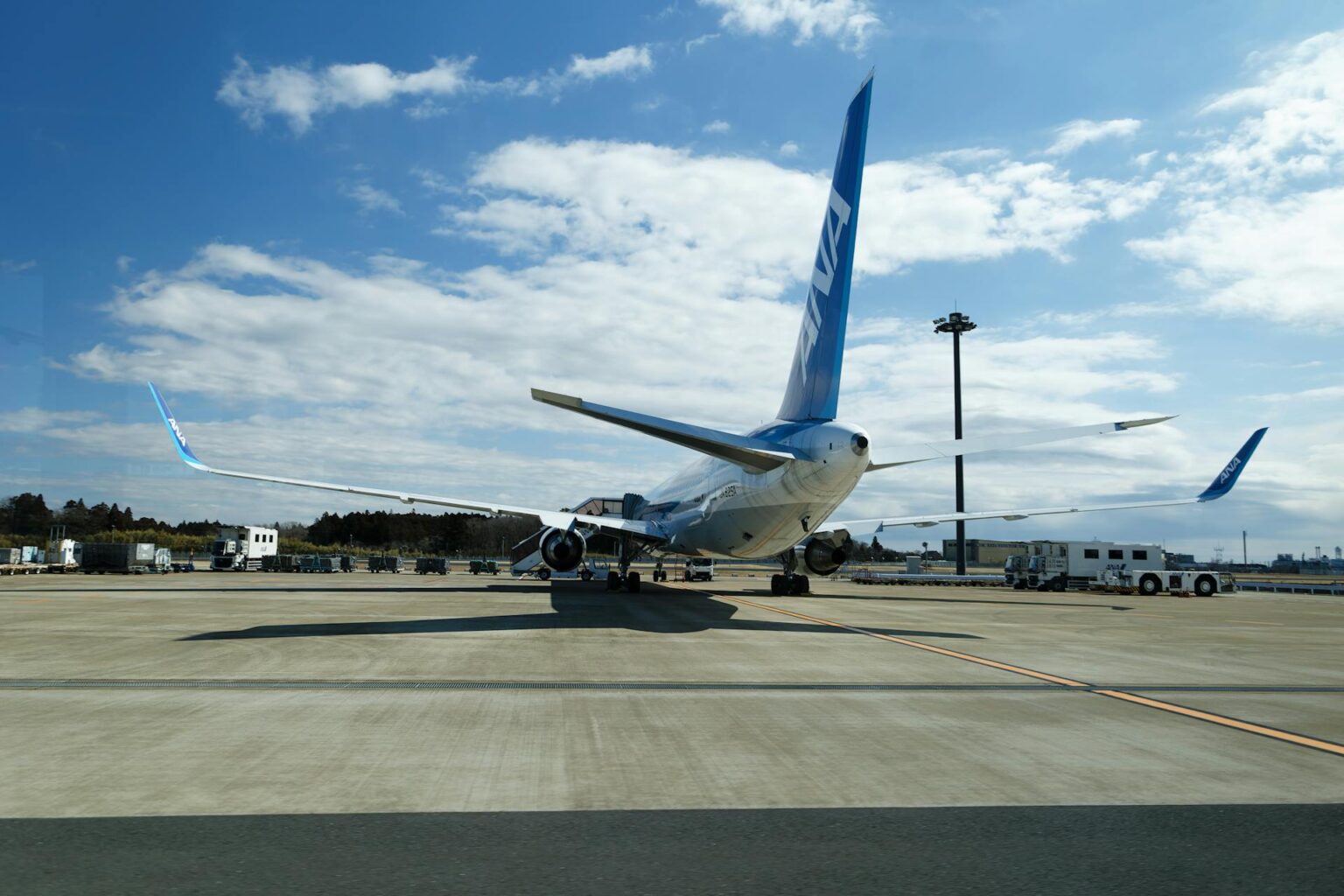
The bustling environment of an airport ramp is a marvel of coordinated activity, a complex ballet of aircraft, personnel, and essential machinery. At the heart of this operation lies ground support equipment (GSE), the unsung heroes that ensure aircraft are serviced, loaded, and dispatched safely and efficiently. As we look towards 2026, the aviation industry continues its trajectory of growth and technological advancement, bringing with it both incredible opportunities and significant challenges, particularly concerning safety. The sheer volume of air traffic, the increasing sophistication of aircraft, and the constant pressure for quicker turnarounds mean that the strategies for maintaining GSE safety must evolve continuously. This isn’t merely about preventing accidents; it’s about safeguarding lives, protecting valuable assets, and upholding the operational integrity of airports worldwide.
Ensuring the safe operation of ground support equipment is a multifaceted endeavour, demanding a proactive and integrated approach. It requires a deep understanding of the equipment itself, the operational environment, and, critically, the human element involved. The strategies we implement today will shape the safety landscape of tomorrow. For 2026, the focus must shift beyond reactive measures to a forward-thinking framework that anticipates risks, integrates cutting-edge technology, and cultivates a robust safety culture across all levels of airport operations. This article will explore the vital strategies that aviation stakeholders must adopt to ensure ground support equipment safety remains paramount, delving into technological advancements, refined operational protocols, and the indispensable role of human factors.
The Evolving Landscape of GSE Safety
The operational landscape for ground support equipment is in a constant state of flux. Airports are becoming busier, aircraft types are diversifying, and the demands on GSE are intensifying. This dynamic environment presents a unique set of safety considerations that require continuous assessment and adaptation. The sheer variety of GSE – from pushback tractors and baggage loaders to catering trucks and de-icing rigs – each with its own operational intricacies and potential hazards, adds layers of complexity to safety management.
One significant aspect of this evolution is the increasing sophistication of the equipment itself. Modern GSE often incorporates advanced electronics, hydraulics, and even automation features, which, while improving efficiency, also introduce new maintenance and operational challenges. Operators require more specialised training, and maintenance teams need to be equipped with the skills and tools to service these complex machines. Furthermore, the drive towards more sustainable airside operations means the introduction of electric and hybrid GSE, which, while environmentally beneficial, brings different safety considerations related to battery management, charging infrastructure, and electrical hazards. The integration of these newer technologies alongside legacy equipment demands a harmonised safety approach that accounts for the entire fleet’s diversity.
The physical environment of the airport ramp also plays a significant role. Congestion, varying weather conditions, noise pollution, and the presence of multiple service providers working simultaneously create a high-risk setting. Any lapse in communication, a momentary distraction, or a mechanical failure can have severe consequences. Therefore, understanding these evolving elements and proactively addressing the associated risks forms the bedrock of any effective GSE safety strategy for 2026 and beyond. It’s about creating a resilient system that can withstand the pressures of a demanding operational setting.
Embracing Technology for Proactive Safety
Predictive Maintenance for GSE
Moving beyond traditional scheduled maintenance, predictive maintenance for GSE represents a significant leap forward in ensuring equipment reliability and safety. Instead of servicing equipment based on fixed intervals or waiting for a failure to occur, predictive maintenance uses data analytics and real-time monitoring to anticipate potential issues before they escalate. This approach relies on sensors installed on ground support equipment that collect data on various parameters such as engine performance, fluid levels, vibration, temperature, and tyre pressure.
This continuous stream of data is then analysed by sophisticated algorithms, often powered by artificial intelligence and machine learning. These algorithms can identify subtle patterns or anomalies that indicate an impending component failure or a deviation from optimal operating conditions. For example, an unusual vibration signature in a baggage loader’s engine might signal a bearing issue long before it becomes audible or causes a breakdown. Similarly, a gradual increase in hydraulic fluid temperature on a pushback tractor could indicate a failing pump or a blockage, allowing for intervention before a critical failure occurs on the ramp.
The benefits of implementing predictive maintenance for GSE are substantial. Firstly, it dramatically reduces unscheduled downtime, as maintenance can be planned precisely when needed, often during off-peak hours, rather than reacting to sudden breakdowns. This improves operational efficiency and reduces costs associated with emergency repairs and service disruptions. More importantly, from a safety perspective, it prevents equipment failures that could lead to accidents, injuries to personnel, or damage to aircraft. By addressing issues proactively, the risk of a piece of GSE malfunctioning during a critical operation, such as aircraft pushback or cargo loading, is significantly mitigated. This proactive stance ensures that equipment is always in optimal working condition, directly contributing to a safer airside environment.
GSE Fleet Management Software
Effective management of a diverse fleet of ground support equipment is fundamental to maintaining high safety standards. This is where advanced GSE fleet management software becomes an indispensable tool. These comprehensive platforms provide a centralised system for tracking, monitoring, and managing every aspect of the GSE fleet, offering unparalleled visibility and control.
Modern GSE fleet management software allows airport operators and ground handlers to track the location and operational status of each piece of equipment in real-time. This includes monitoring usage hours, fuel consumption, and even operator assignments. Beyond simple tracking, these systems are instrumental in scheduling preventative maintenance, ensuring that equipment is serviced according to manufacturer recommendations and regulatory requirements. They can flag overdue inspections, manage parts inventory, and even integrate with diagnostic tools to streamline the maintenance process.
Crucially, from a safety perspective, this software can enforce compliance with operational protocols. It can track operator certifications, ensuring that only qualified personnel are assigned to specific types of equipment. Incident reporting modules within the software allow for detailed logging and analysis of any safety events, near misses, or equipment malfunctions, providing valuable data for continuous improvement. Furthermore, some advanced systems can integrate with telematics and GPS data to monitor operator behaviour, identifying instances of harsh braking, excessive speed, or unauthorised movements, which can then be addressed through additional training or corrective actions. By providing a holistic view of the fleet’s health, usage, and compliance, GSE fleet management software acts as a central nervous system for airside operations, directly contributing to enhanced safety and operational efficiency. It helps to ensure that every piece of air cargo essential handling equipment, for instance, is accounted for and maintained to the highest standards.
Strengthening Airport Ramp Safety Protocols
Standard Operating Procedures (SOPs) and Training
At the core of any robust safety framework are well-defined Standard Operating Procedures (SOPs) and comprehensive training programmes. For 2026, these elements must be continually reviewed, updated, and reinforced to reflect the evolving nature of airside operations and GSE technology. SOPs for ground support equipment must be clear, concise, and easily accessible, covering every aspect of equipment operation, maintenance, and emergency response. This includes detailed instructions for pre-operational checks, safe driving practices, parking procedures, refuelling protocols, and specific guidelines for operating near aircraft.
However, simply having SOPs is not enough; effective training is paramount. Initial training for all GSE operators must be thorough, combining theoretical knowledge with extensive practical, hands-on experience. This should cover not only the mechanics of operating different types of equipment but also the specific hazards of the airport ramp environment, including aircraft danger zones, communication protocols, and emergency procedures. Beyond initial certification, continuous professional development is vital. Regular refresher courses, scenario-based training, and updates on new equipment or revised procedures ensure that operators’ skills remain sharp and their knowledge current. Special attention must be paid to human factors in safety, addressing issues such as fatigue management, stress, and the importance of vigilance, as these can significantly impact an operator’s ability to perform safely.
Communication and Situational Awareness
The airport ramp is a dynamic and often noisy environment where multiple teams operate simultaneously. Effective communication and heightened situational awareness are therefore critical to preventing incidents. For 2026, strategies must focus on enhancing these aspects through both procedural and technological means. Clear and concise communication channels are essential, utilising standardised terminology and protocols. This includes two-way radio communication, hand signals, and visual cues, all of which must be understood and consistently applied by all personnel on the ramp.
Technological advancements can significantly aid situational awareness. Proximity sensors and collision avoidance systems on GSE can alert operators to obstacles, other vehicles, or personnel in their blind spots, especially when operating large equipment like pushback tractors or cargo loaders. Real-time tracking systems, often integrated with GSE fleet management software, provide a visual representation of all equipment movements on the ramp, allowing supervisors to monitor traffic flow and identify potential congestion points or unsafe manoeuvres. Furthermore, the use of high-visibility clothing, appropriate lighting on GSE, and well-maintained ramp markings all contribute to a safer visual environment, reducing the risk of misjudgements or overlooked hazards. Fostering a culture where operators are encouraged to speak up about potential hazards or near misses without fear of reprisal is also crucial for continuous improvement in situational awareness.
Infrastructure and Environmental Considerations
The physical infrastructure of the airport ramp and the prevailing environmental conditions play a significant role in GSE safety. For 2026, airports must continue to invest in and maintain ramp infrastructure to the highest standards. This includes ensuring smooth, well-maintained surfaces free from potholes or debris that could damage GSE or cause operators to lose control. Adequate lighting, particularly in areas of high activity or during night operations, is non-negotiable. Clear, unambiguous signage and markings for taxiways, parking bays, and safety zones are also essential to guide GSE operators and prevent incursions into restricted areas.
Environmental factors, such as adverse weather conditions, present ongoing challenges. Strategies must include robust protocols for operating GSE in rain, snow, ice, or high winds. This might involve reduced speed limits, mandatory use of specific equipment (e.g., snow ploughs, de-icing rigs), and clear guidelines for when operations must be curtailed or suspended. Training for operators must include specific modules on handling GSE in challenging weather. Furthermore, the design of the ramp itself can influence safety; optimising traffic flow, designating clear pathways for GSE, and separating pedestrian routes from vehicle routes can significantly reduce the potential for collisions. Considering the impact of noise on communication and operator fatigue is also an important environmental factor that needs to be addressed through appropriate PPE and operational scheduling. The ongoing revolution in aviation aircraft material handling equipment also means that ramp infrastructure must adapt to accommodate new types of machinery and their operational requirements.
The Human Element: Training, Culture, and Compliance
Continuous Professional Development
While technology provides powerful tools for enhancing GSE safety, the human element remains the most critical factor. The skills, knowledge, and attitudes of GSE operators and maintenance personnel directly influence the safety of airside operations. For 2026, a commitment to continuous professional development (CPD) is paramount. Initial training, while foundational, is merely the starting point. The aviation industry is dynamic, with new equipment, procedures, and regulations emerging regularly. Therefore, ongoing training, refresher courses, and specialised instruction are essential to keep personnel proficient and up-to-date.
CPD programmes should extend beyond basic operational skills to include advanced defensive driving techniques, hazard identification, and risk assessment specific to the ramp environment. Training should also incorporate modules on human factors, such as fatigue management, stress recognition, and the importance of clear communication under pressure. For maintenance teams, CPD means staying abreast of the latest diagnostic tools, repair techniques, and safety protocols for increasingly complex and often electrically powered GSE. Regular assessments and competency checks ensure that skills are maintained and any knowledge gaps are addressed promptly. Investing in the ongoing education of personnel is not an expense; it is an investment in the safety and efficiency of the entire operation.
Fostering a Safety Culture
A truly effective safety strategy extends beyond rules and procedures; it is deeply embedded in the organisational culture. For 2026, cultivating a robust safety culture where safety is a shared value and responsibility is non-negotiable. This means moving away from a blame culture towards one that encourages open reporting of incidents, near misses, and potential hazards without fear of reprisal. When personnel feel comfortable reporting issues, valuable data is collected that can be used for continuous improvement and preventative action.
Leadership plays a pivotal role in shaping this culture. Management must visibly demonstrate its commitment to safety through resource allocation, policy enforcement, and active participation in safety initiatives. Regular safety briefings, workshops, and awareness campaigns help to keep safety at the forefront of everyone’s minds. Empowering employees to stop work if they perceive an unsafe condition, and recognising those who contribute to safety improvements, reinforces positive behaviours. A strong safety culture fosters a collective mindset where every individual, from the GSE operator to the senior manager, understands their role in maintaining a safe airside environment and actively contributes to it. This collective responsibility is what truly drives down incident rates and builds resilience.
Regulatory Compliance and Best Practices
Operating ground support equipment within the highly regulated aviation industry demands strict adherence to national and international safety standards. For 2026, ensuring full regulatory compliance is a foundational element of any GSE safety strategy. This includes complying with regulations set by bodies such as the Civil Aviation Authority (CAA) in the UK, EASA in Europe, and ICAO globally, as well as local airport authority rules. Compliance covers everything from equipment certification and maintenance schedules to operator licensing and operational procedures.
Beyond mere compliance, organisations should strive to implement industry best practices. This involves actively participating in industry forums, sharing lessons learned, and adopting proven safety methodologies from other leading aviation entities. Regular internal and external audits are essential to verify compliance and identify areas for improvement. These audits should not be seen as punitive exercises but as opportunities to refine processes and enhance safety performance. Staying informed about changes in regulations and proactively adapting operational procedures and training programmes is also critical. For instance, as more airports consider Airside Fleets Unlocking Savings With Diesel Alternatives, new regulations and best practices regarding electric vehicle charging, battery handling, and fire suppression will need to be integrated into compliance frameworks. By consistently meeting and exceeding regulatory requirements, and by embracing best practices, organisations demonstrate their unwavering commitment to GSE safety and contribute to the overall safety of the aviation ecosystem.
Future Trends and Innovations in GSE Safety
Automation and Autonomous GSE
The future of ground support equipment is increasingly pointing towards greater automation and, eventually, fully autonomous operations. While this presents exciting possibilities for efficiency and precision, it also introduces a new set of safety considerations that must be meticulously addressed for 2026 and beyond. Automated GSE, such as self-driving baggage tractors or robotic cargo loaders, promises to reduce human error, improve consistency, and operate in environments that might be hazardous for human operators. However, the transition requires robust safety protocols, extensive testing, and clear regulatory frameworks.
Key safety challenges include ensuring the reliable performance of sensors and navigation systems in all weather conditions, preventing collisions with non-automated equipment or personnel, and establishing fail-safe mechanisms in case of system malfunctions. The interaction between autonomous GSE and human-operated equipment, as well as human personnel, will require sophisticated communication protocols and designated operational zones. Furthermore, cybersecurity becomes a critical safety concern, as autonomous systems could be vulnerable to external interference. Developing comprehensive standards for the certification, operation, and maintenance of autonomous GSE will be paramount to safely integrating these innovations into the airport environment. The potential for enhanced safety through reduced human exposure to high-risk tasks is significant, but it must be balanced with rigorous validation and a cautious, phased implementation approach.
Sustainable GSE and Safety
The global aviation industry is under increasing pressure to reduce its environmental footprint, leading to a rapid shift towards more sustainable ground support equipment. This includes electric, hybrid, and hydrogen-powered GSE. While these alternatives offer significant environmental benefits, they also introduce unique safety considerations that must be integrated into 2026 safety strategies. For example, electric GSE requires specific protocols for charging infrastructure, battery handling, and fire suppression in the event of thermal runaway. The silent operation of electric vehicles also poses a potential hazard to personnel who may not hear approaching equipment, necessitating enhanced visual warnings and awareness training.
Hydrogen-powered GSE, while still in earlier stages of adoption, will require stringent safety measures related to fuel storage, refuelling procedures, and leak detection. The maintenance of these new power systems also demands specialised training for technicians, who must be proficient in handling high-voltage electrical systems or cryogenic fuels. The move towards sustainability is not just about emissions; it’s about ensuring that the new technologies adopted are inherently safe and that their integration into existing operations does not introduce unforeseen risks. This holistic view of sustainability and safety is crucial for a responsible transition. As mentioned earlier, exploring Airside Fleets Unlocking Savings With Diesel Alternatives is a key part of this shift, and safety protocols must evolve in tandem.
Advanced Material Handling and Cargo Safety
The efficient and safe handling of air cargo is a critical component of airport operations, and advancements in material handling equipment directly impact safety. As cargo volumes grow and the types of goods transported become more diverse, the equipment used to load, unload, and transport these items must be capable, reliable, and safe. For 2026, strategies will focus on integrating more intelligent and ergonomic material handling solutions that minimise manual handling and reduce the risk of injury to personnel, as well as damage to cargo and aircraft.
This includes the adoption of automated guided vehicles (AGVs) for cargo movement, advanced loading systems that precisely position containers, and ergonomic tools that assist operators with heavy lifting. Safety features such as load sensors, anti-collision systems, and remote-control capabilities are becoming standard. The proper securing of cargo, both on the ground and within the aircraft, is also paramount, requiring robust training and adherence to specific loading plans. The ongoing Revolutionizing Aviation Aircraft Material Handling Equipment is not just about speed; it’s fundamentally about enhancing safety through precision and reduced human intervention in high-risk tasks. Furthermore, a deep understanding of Mastering Air Cargo Essential Handling Equipment Guide principles is vital for all personnel involved in this specialised area, ensuring that every piece of equipment is used correctly and safely.
FAQs
What is ground support equipment (GSE)?
Ground support equipment (GSE) refers to the vehicles and machinery used in an airport environment to service aircraft between flights. This includes a wide range of equipment such as pushback tractors, baggage loaders, catering trucks, refuellers, passenger stairs, de-icing rigs, and cargo loaders. GSE is essential for ensuring the safe, efficient, and timely turnaround of aircraft.
Why is predictive maintenance important for GSE safety?
Predictive maintenance is crucial for GSE safety because it allows for the anticipation and prevention of equipment failures before they occur. By using sensors and data analytics to monitor equipment health in real-time, potential issues can be identified and addressed proactively. This reduces the risk of unexpected breakdowns on the ramp, which could lead to accidents, injuries, or damage to aircraft, thereby significantly enhancing overall operational safety and reliability.
How does GSE fleet management software improve safety?
GSE fleet management software improves safety by providing a centralised system for comprehensive oversight of all ground support equipment. It enables real-time tracking of equipment location and status, facilitates scheduled maintenance, manages operator certifications, and streamlines incident reporting. This holistic view helps ensure equipment is always in optimal condition, operated by qualified personnel, and that any safety concerns are promptly identified and addressed, contributing to a safer airside environment.
What are the main challenges for GSE safety in 2026?
The main challenges for GSE safety in 2026 include managing the increasing complexity and diversity of GSE fleets, integrating new technologies like automation and sustainable power sources (e.g., electric, hydrogen), addressing the human factors of fatigue and training in a busy environment, and adapting to evolving regulatory landscapes. Maintaining high levels of situational awareness and communication on increasingly congested ramps also remains a significant challenge.
What role does safety culture play in GSE operations?
A strong safety culture is fundamental to GSE operations because it fosters an environment where safety is a shared priority and responsibility among all personnel. It encourages open reporting of incidents and near misses, promotes continuous learning, and ensures that safety is considered in every decision and action. A positive safety culture empowers employees to act safely and contributes significantly to reducing accidents and improving overall operational resilience.
Conclusion
As we cast our gaze towards 2026, the imperative for robust ground support equipment safety strategies has never been clearer. The aviation industry’s relentless pace, coupled with technological advancements and increasing operational complexities, demands a forward-thinking and integrated approach. We have explored how embracing cutting-edge solutions like predictive maintenance for GSE and sophisticated GSE fleet management software can transform reactive safety measures into proactive, data-driven prevention. These technological tools are not merely conveniences; they are fundamental pillars in building a resilient and secure airside operation.
Beyond technology, the human element remains irreplaceable. Strengthening airport ramp safety protocols through rigorous training, continuous professional development, and fostering a pervasive safety culture are paramount. It is the vigilance, skill, and commitment of every individual on the ramp that ultimately safeguards lives and assets. Furthermore, adapting to future trends such as automation and sustainable GSE, while meticulously addressing their unique safety implications, will define the next era of ground operations.
Ultimately, achieving exemplary GSE safety in 2026 and beyond requires a holistic perspective. It is a continuous journey of improvement, demanding collaboration between airport authorities, ground handlers, equipment manufacturers, and regulatory bodies. By prioritising investment in technology, nurturing a strong safety culture, and committing to ongoing training and compliance, we can ensure that ground support equipment continues to operate with the utmost safety, underpinning the seamless and secure flow of air travel for years to come.
Explore Airside Fleets: Unlocking Savings with Diesel Alternatives: https://adaptgse.com/uncategorized/airside-fleets-unlocking-savings-with-diesel-alternatives/
Explore Revolutionizing Aviation: Aircraft Material Handling Equipment: https://adaptgse.com/industry-news/revolutionizing-aviation-aircraft-material-handling-equipment/
Explore Mastering Air Cargo: Essential Handling Equipment Guide: https://adaptgse.com/industry-news/mastering-air-cargo-essential-handling-equipment-guide/
Update On 19 Oct 2026
As we look ahead to 2026, we explored the critical strategies required to enhance airport ground equipment safety amidst a rapidly evolving aviation landscape. We examined how implementing advanced gse maintenance software and predictive analytics can prevent costly equipment failures and reduce unscheduled ramp downtime. Furthermore, we discussed the integration of gse compliance software alongside rigorous standard operating procedures to streamline airside fleet management and mitigate risks. Ultimately, fostering a proactive safety culture and embracing emerging sustainable technologies will be essential to safeguarding personnel and optimising global air cargo operations.